Buckle up for some #wholesomeAF content. I’m so excited to share the first installment of our series on how dogs can enrich one’s experience in graduate school. Really, none of us deserve how good dogs are, but we try to be worthy of their affection. Read on for three stories of doggos who deserve honorary degrees.
One of the most consistent pieces of advice I have for people in academia at all levels is to check out all the great content and conversations happening on #ScienceTwitter. Over the years Rachel and I have used Twitter to meet other scientists, find job postings and other opportunities, share our STS blog posts, and enjoy many, many videos of kitties, babies, and puppies.
Starting out is pretty straight forward: create an account, choose a handle, set up your bio. What comes next can be a bit more intimidating. We’ve assembled some of our favorite tips and tricks for getting started and included some examples in the form of actual tweets! Keep an eye out for some useful twitter vocabulary sprinkled throughout this post.
A peek at our own bio. Maybe we’ll give it an update this week!
TIP: Introduce yourself. Whether you have yet to tweet or you’ve been around for years and have some recent follows, it’s important to let people know who you are and what you’re about.
Hi to all my new followers!!! I'm a grad student studying how lizard communities may be affected by stream drying which could lead to the loss of a potential food source (emerging aquatic insects). I tweet about my research, grad school, and social justice. pic.twitter.com/ROLtJotbqB
Author’s Note: I’ve been working on some version of this post for over three years. During that time, so many folks have provided feedback. Thanks to Katie Smith, Joanna Solins, Priya Shukla, Jordan Hollersmith, Aviva Rossi, and (as always) Meridith Bartley. Any omissions of important information are mine, but many of the most valuable bits of knowledge come from these individuals.
If you haven’t read Part One in this series, please consider giving it a quick peek. Applying to STEM graduate programs is a long, stressful, multifaceted journey. In the previous post, we covered what resources you may already have at your disposal, how to get in contact with potential graduate mentors, and what information you’re likely to want to share with them during this initial contact. That sounds like a lot, but there’s even more to cover! With this half of our guide we will detail what additional components you must compile to submit as part of an application to a research program.
Baby Bachelor Scientistas
Taking Required Entrance Exams (August-December)
Graduate schools often want you to report scores from a few major exams. This requirement is currently in flux, so it’s worth it to check carefully to see what each school you are interested in requires. Preparing for these exams is a big part of preparing for your graduate school application. You can dramatically improve your scores by taking advantage of the training materials ahead of time. While these tests are important, most graduate programs do not use these scores as the only metric to judge your application. In addition to several departments removing the GRE as a requirement altogether, others are decreasing the weight given to the GRE during the admissions process. It’s important to do your best and, once the test is complete, shift your focus to making the rest of your application as strong as possible.

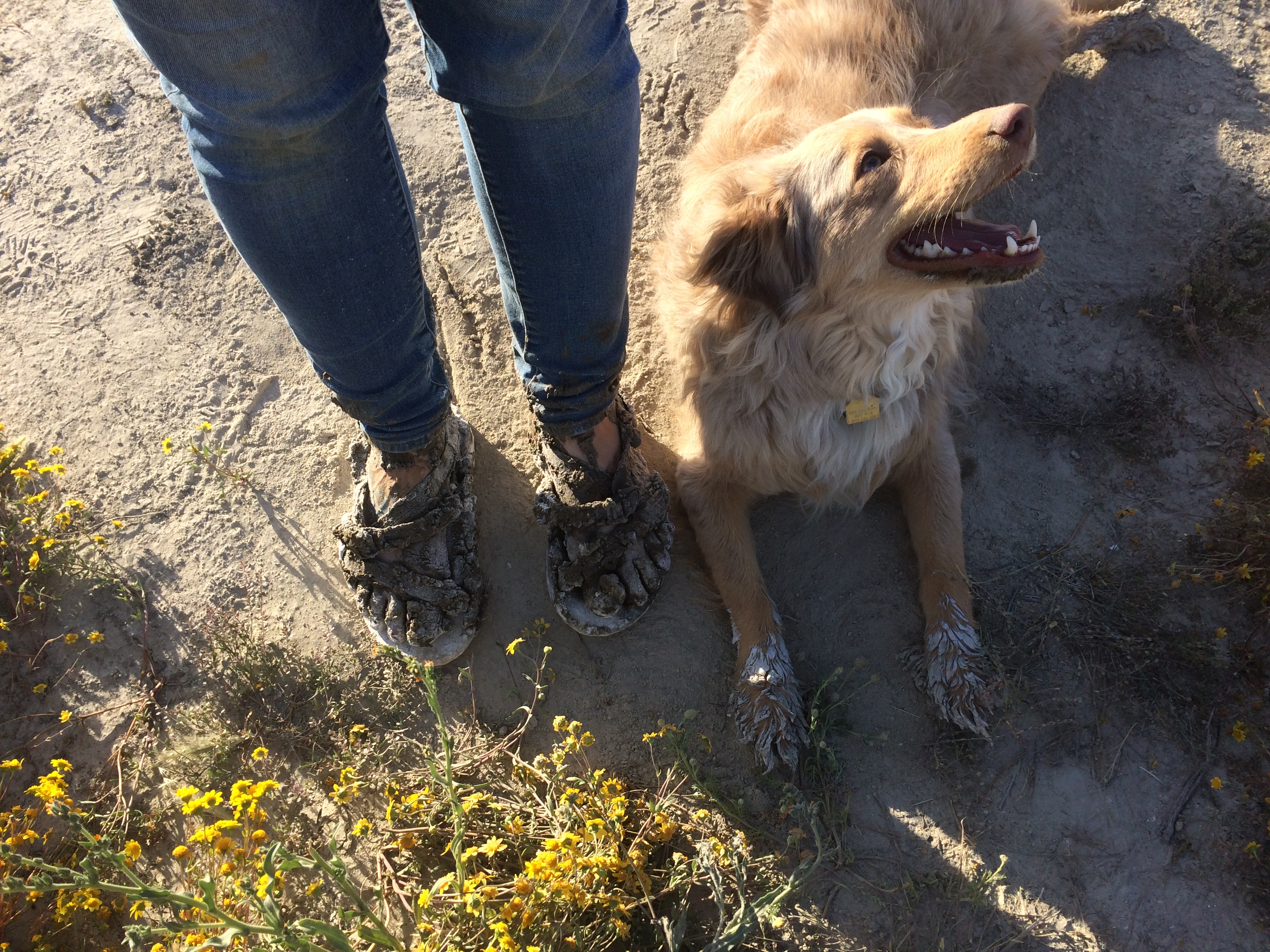


 Sweet Tea, Science