Last week, doing anything was a struggle. Literally all I wanted to do was watch cartoons, eat burritos, and perform the bare minimum tasks I could get away with doing (Editor’s note: This is me. Always). Admitting these sorts of things is what makes the idea of an anonymous blog very appealing on occasion. It’s not because I have a super exciting secret life or anything (spoiler alert: I find my own life very exciting on the whole), but because I think a lot of the things I struggle with as a scientist in training are widely felt but often actively overlooked. Graduate school is where you learn how to learn (because as a scientist, the learning never stops), hone key skills, and net a set of accomplishments that will make you stand out in the job market. It’s a place where people who are fired up about things go to dive deep into problems, and it’s no surprise that so many great innovations are the result of doctoral dissertations. And I’d say, about 50 weeks out of the year, I feel fired up about science. About conservation. About freaking adorable invertebrates and gnarly invasive plants.
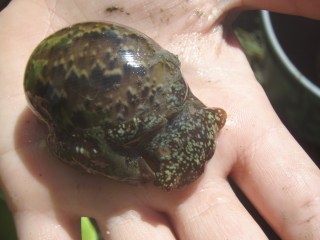 |
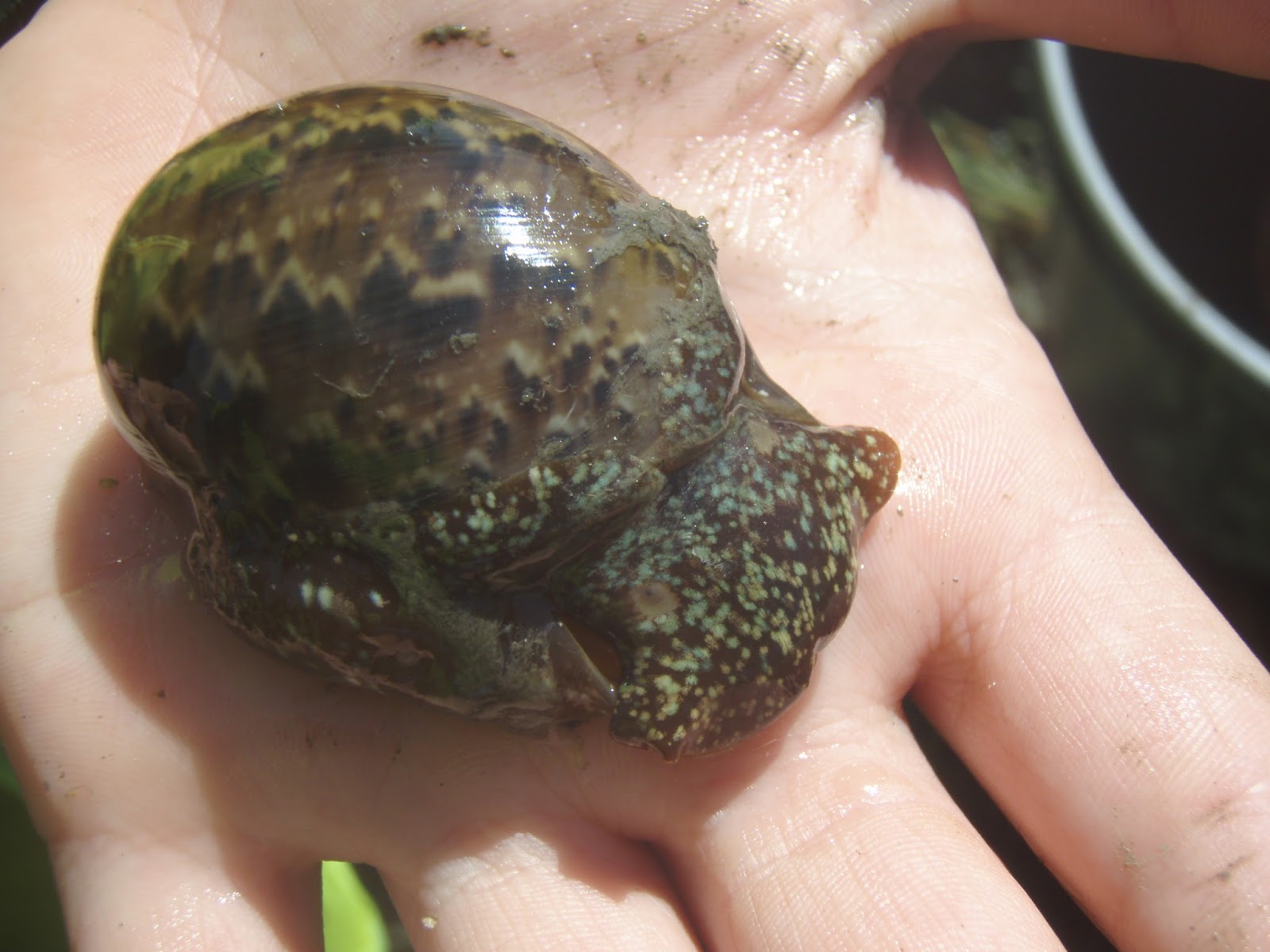
| Adorbs. |
I’ve been in graduate school for over 5 years, 3 years for my Master’s and 2 full years of PhD work. It would be disingenuous and unhelpful for me to say that, over the past 5 years, I haven’t had motivational slumps. Do I believe there are people who are 100% juiced up all the time, who never have to search for a reason to get reignited over their work? I really do. And I wish I was one of them, but I’m not. Further, I think there are plenty of graduate students who struggle from time to time with motivation. There are a lot of reasons: personal issues, burnout, loss of interest in a project, imposter syndrome. The thing is, I think we are taught to pretend this isn’t happening. I have stock advice I give to all new graduate students when we are chatting, “Anyone who pretends they have their act together is faking it. Everyone is freaking out.” I think I need to do a bit of taking my own advice. I’m probably not the only one who occasionally sits at their desk and goes “blah.” I don’t think feeling a periodic lack of motivation makes me (or you) a bad scientist. I don’t think it indicates a lack of passion. I think pretending it isn’t happening is less than authentic. I think refusing to yield to these periods and rekindling your fire speaks volumes of capability, passion, and drive.
So here is my truth, as I’ve experienced it on several occasions. I’m sailing along fine, killing it in the lab, balancing several projects, keeping my little fingers tippy-tapping on my writing projects. A large milestone approaches. I start to feel like I’m not doing enough (ironically, these sorts of thought progressions usually happen after 8pm in the lab…) and a little touch of imposter syndrome starts to kick up. How rude! I make plans for how to attack said milestone, I budget out my time, I feel like I can totally do this! Then I’m motionless for a stressful span of days, absolutely sure that as soon as I begin I’ll realize the task is impossible. Things spiral, I consume an unnatural amount of peanut butter, then some action or event clicks things back into place and I’m sprinting again. In the spirit of honestly, it’s absolutely frustrating to look at yourself in the mirror and say aloud, “What’s wrong with me this week?” But, in the end, it’s almost like fighting with your best friend. It’s going to happen at some point, and if you take the time to learn something about them and yourself in the process, you can come out the other side closer than ever.
After that overly honest preamble, I’ll present my non-exhaustive, in no particular order list of things that have gotten my butt back in gear in the past. This is how I kiss and make-up with science when I’ve been neglecting it.
-
Take in some inspirational media (of the non-scholarly variety). Here are my go-tos, but your milage may vary
-
This essay about how science is SUPPOSED to make you feel stupid, dummy.
-
This poem, always and forever. “Practice resurrection.”
-
-
This poem that will make you want to be a better person. “If you’re handing out flashlights in the night, start handing out stars.”
-
Make a plan. I know, you had a plan before, but make a new one. The old one obviously wasn’t working.
-
 |
| Mer’s Plan involves detailed time breakdowns. |
Kill the distractions. Is an ill family member nagging at your mind? Call them and ease your worries. Do some large batch cooking so you don’t have to worry about the dishes or food for the rest of the week. For goodness sake, get off Facebook, Twitter, Instagram, and all the other good things to do with the internet.
-
What helps you focus? Do that. Exercise? Yoga? A good night’s sleep? Get those things. Trust yourself. Trust that you know the difference between procrastination and positive self-care.
-
Talk to inspired people. You are a very cool person with very cool friends. Find the one who is the most lite up by their current project and parasitize their enthusiasm . I had a super uplifting talk about education leadership with a friend earlier this month. Obviously, I’m not an education scholar, but their passion was infectious (Editor’s note: Rach and I talked about this during our Productivity Meeting last week. Unfortunately, I was in the middle of my first PhD midterms and was NOT available for enthusiasm! I suppose on the flip side of this, when you are feeling on top of your game then you should share your enthusiasm with those who might needs a little extra.).
-
 |
| My moral support. |
Freaking talk about it. Get a coffee with your gradschool best friend, call your sister, Skype with your mom, chat with your cat, or anyone else who cares about you. It’s great to be internally motivated and sure of your inherent worth or whatever, but when your best accomplishment from the last two days was getting your inbox to zero, you need someone else to remind you of the bigger picture of yourself.
-
Update your CV. This seems like a time suck, right? It can be, but adding all your most recent accomplishments to your resume will remind you of times when all your hard work has paid off for you. The only thing better than having someone else remind you that you are awesome is reminding yourself.
-
Hey, you, this is your JOB, remember? Either someone is paying you to do this work or you are paying for the experience yourself. Hopefully it’s the former. Here’s to hoping we never dip below the minimum job performance we need to maintain. Beyond that, would you give you a raise or a promotion? Put on some business casual attire and go sit in your workspace. Put yourself on the clock.
-
Make a vision board, write an affirmation. Am I really that much of a hippie? Apparently so. I’ve made some pretty impressive vision boards in my day. First of all, it’s crafting, which is relaxing. Second, if you put it somewhere where you are forced to stare at it everyday, you’ll be surprised how you realign your actions to start actually working toward your goals. If you’re not into pictures and glue sticks, write an affirmation of your intentions and put it on your bathroom mirror, or the fridge, or wherever else you will see it everyday. The important thing is to see it everyday.
-
Take an actual break. No, don’t start reading fanfiction at 2am when the whole purpose of drinking that cup of coffee was to get some real work done. I’m talking take a mental health day. Draw a bubble bath, go for a hike, and eat all the freaking burritos. Give yourself a break for goodness sake, then rally rally rally.
 |
| Don’t worry, get muddy. |
Thanks for letting me share something real. Authentic living feels so good. I hope it helps someone else! Anyone else have tips and tricks for snapping out of a funk? I would love to hear them. Until next time, I have some precious inverts to read about.
Editor’s Note: I think a big takeaway from this blog post is that while graduate school can be a huge undertaking that commands a lot of your time, that doesn’t mean you have to let to rule your entire life. Prioritize yourself and those important people in your life that you want to spend time with. You could work on Grad School Things all day and all night long and never really reach a stopping point. If you wait until you’re completely caught up on everything you want to do, then you’ll run out of hours in the day. However, if you schedule yourself some Real Life Time along with your Productivity Time you’ll be able to enjoy some of what keeps you motivated and happy. I have been hyper-scheduling my days using my Mac’s iCal program, and I find it helps me stay on track while still allowing myself time to chill doing Life Things without feeling guilty about things I could be working on instead. Don’t let the fear and the guilt get you down or keep you from enjoying life.


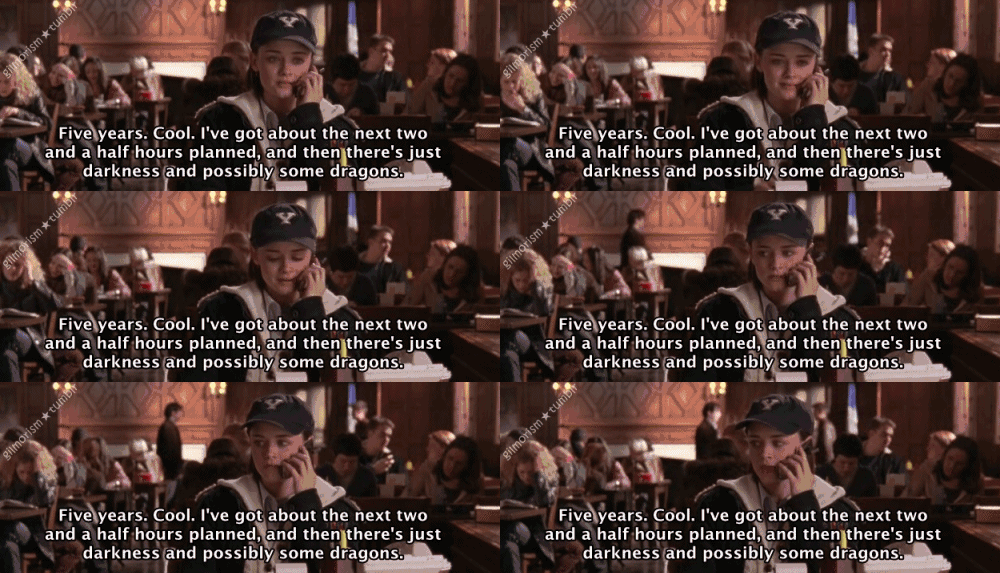

 Prioritize yourself and your time. You can’t do it all, so don’t put too much unnecessary pressure on yourself to try for the impossible. You come first. Sometimes that means sacrificing in some areas. Maybe your room will be messy for a week or so. Don’t sweat it. Maybe you’ll go over a bit on your dining out budget. You need to each and you don’t have time for much more than campus food. So be it! But do try and get enough rest and mental downtime. You are worth it!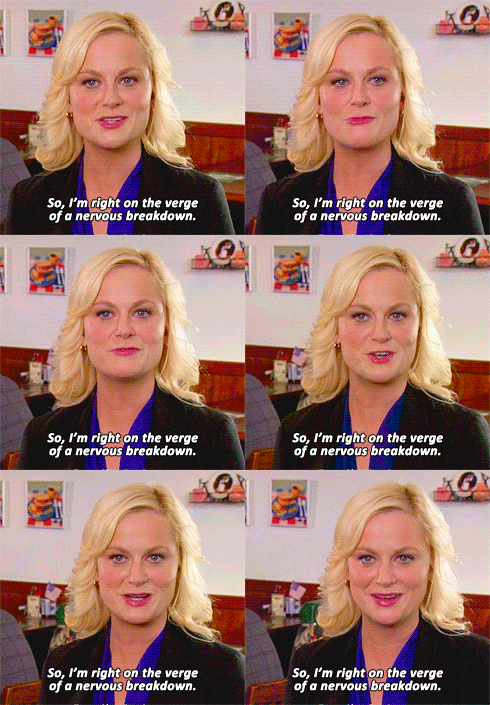



 Sweet Tea, Science