LIT to KY Pt 1: Planes, trains, and moral conflict

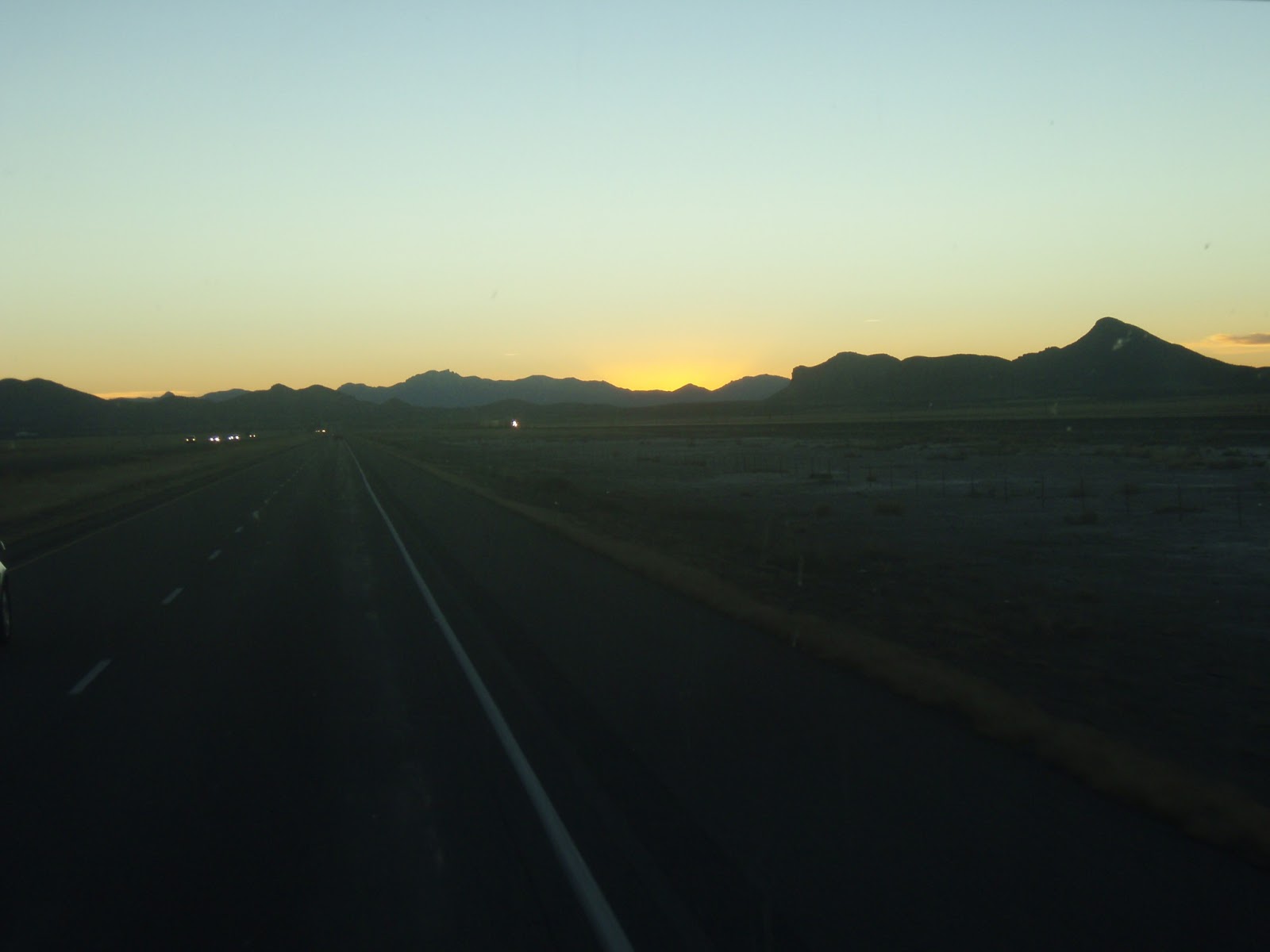
My Greyhound view on the 20hr trek between NM and CA.
As a preface, this is part one of a two part post about my recent trip home to Kentucky.  Part two will take the more traditional form of my other Low Impact Travel (LIT) posts where I discuss my adventures and the little ways I try to alter my travel behaviors to reduce my ecological impact.  However, I wanted to take some time and space to talk about an issue which often troubles me, how and why we choose our means of transportation.  Please note that while this post does contain some science, it’s mostly my own opinions and rational.  It should be taken as neither fact or prescription, and is simply the conversation I have been having with myself for the past 4 years, converted into essay form.  
Part One:  Some Science
I don’t know if you’ve noticed yet, but I travel a lot, and I really enjoy it!  I am, however, generally conflicted when it comes to the subject of plane travel.  It’s a pertinent topic considering the new study published in Environmental Science and Technology last week (for some good summaries of the study you can look here or here, but I suggest you read the paper).  The study’s authors Jens Borken-Kleefeld, Jan Fuglestvedt, and Terje Berntsen offer very accurate estimates of the climate impacts of different modes of long distance travel (in their study 500-1000 km) by comparing impacts at 100% vehicle occupancy vs. average occupancy.  They also expand the definition of “climate impacts” to things beyond simple CO2 emissions, though no matter which measure you examine, the story is relatively consistent.  Spoiler alert, plane travel loses big time, every time.  Now, allow me a moment of European envy.  One of the options in their study, high speed electric rail, boasts zero grams of CO2 emitted per vehicular kilometer.  Obviously, that is just based on the fact that these trains don’t have tailpipes, and who knows where that electricity is generated, but trains lack some of the fundamental climate impacts included in plane travel such as the creation of cirrus clouds and the indirect production of ozone.  So, plane travel, not so good…yet I’m going to try and write a low impact travel post in which I take a plane?  It seems mildly disingenuous to me.  
The thing is, I know that lots of people face these same sorts of problems.  Obviously, I need to visit home.  It’s good for my mental health, I adore my family, and I don’t know if anyone else has had a southern mother but…even if I didn’t want to go home, I would.  So allow me a moment to try and work through this moral quagmire here, in this forum.  I’m going to use my potential trip home over Thanksgiving to make this a bit more tangible.  Admittedly, holiday pricing sort of skews the picture for us, but that is when most people do most of their long distance traveling, so I feel it’s appropriate.    
Part Two:  Time, Money, and Convenience
This is how Clark Gable and I prepare for train travel.
First, let’s break this problem down economically based exclusively on the upfront cost of travel.  When I first moved to California, I had some pretty romantic visions of myself boarding a train and chugging the 2264 miles back to Kentucky for the holidays.  I might also have envisioned myself in some pretty excellent period garb; I might also have been riding on the train with Rhett Butler.  That’s beside the point, because in 2013, taking the train in the USA is not substantially cheaper (or cheaper at all!) than plane travel in many cases.  For example, this coming Thanksgiving, it will likely cost me around 450 dollars to take a plane to and from home for the holidays.  The train would cost me about 500 dollars (included in this cost is the necessary bus from Chicago to my final destination).  Taking a bus all the way across the country would run me only about 375 dollars.  If I drove my car, by myself, it would cost me about 393 dollars.  I suppose this part isn’t super surprising and matches up relatively well with the findings of  Borken-Kleefeld et al. (2013) who found coach (that’s European for bus) travel to pose the lowest climate impact.  So, hooray, the cheapest form of travel is also the most environmentally friendly.  That’s a good thing.  The fact that the train costs more than the plane in this case is probably partially due to timing and partially due to the fact that I’m not just traveling between two major Amtrak hubs.  But how many people are just going between LA and Chicago, for example?
So, let’s say you, like myself, don’t mind the bus and love saving money.  Maybe you’re leaning toward a Greyhound trip for your next adventure.  Let’s now expand the analysis past just upfront costs, and things get a little more complicated.  For my long distance holiday travel, I’d say driving alone in my personal car is out of the question.  It would take me about 33 hours, so I would need to pay for lodging (a hostel or a campsite at about 20 dollars a night) and I would have to get my oil changed and what not before and after the trip (another 80 or so dollars).  After taking these things into account, driving is about the same cost as a flight or train travel.  According to the study, gasoline cars, even at maximum capacity, were second only to airplanes in their carbon impacts.  So let’s just throw that idea out.  Then there is the seemingly appealing option of taking the bus.  To get me home for the holidays, I would be in transit via bus for 2 days and 6 hours.  I don’t know about you, when when I take a long trip, I’m always very tired afterward and need a day to recoup, so that’s essentially three days lost on either side of the vacation, or almost a whole week!  Let’s say you get paid 10 dollars and hour, that is a net loss of 480 dollars if you can’t work remotely.  Okay, so maybe for such a long trip, Greyhound isn’t what we want.  What about the train then?  To get me back to KY from CA would take almost 66 hours via train, or almost three days.  So, the train takes longer than the bus.  An advantage of the train, however, is the free WiFi and more comfortable seating where one could, potentially, get some work done.  Last, we have plane travel, which could get me back to KY in as little as 5 hours (no counting transit to and from the airport).  So I only lose two or three days to travel (depending on recovery time), and a lot of planes and airports have WiFi now, so I could even work in transit.  
Okay, so up to this point, this essay might seem a little…unusual based on my general content.  And that’s a fair observation.  The truth is, I want to advocate for coach and rail travel, I want to say that I never fly because I know how bad it is for the environment, and I want both those statements to be true.  Unfortunately, that’s just not the case.  So, where do we go from here?  I think I have quoted Colleen Patrick-Goudreau previously, but she often says “Don’t do something because you can’t do everything.”  I think that applies here.  So, what to do?  I think we must all apply some careful time and thought to how we move around the world.  Consider your personal circumstances carefully.  After all, convenience cannot be the only factor when making choices…that’s sort of how we got into our current environmental mess.  Based on my own personal reflections, I do have some recommendations, but I encourage each of you to do individual research and make choices based on your own knowledge and morals.    
Part Three:  A Practical Ecologist Guide to Transportation Selection
1.  Traveling with friends who don’t dig alternative transportation?  Carpool every time possible in the most fuel efficient vehicle available.  Squeeze in, sit close, just do it.  Appeal to their wallets, that generally works.       
2.  If you are traveling somewhere nearby, maybe within the 1000 km (about 620 miles) range proposed by  Borken-Kleefeld and colleges, I would strongly advocate that you take the bus.  I’ve taken quite a few regional Greyhound trips, the longest lasting about 20 hours, and they aren’t as bad as you probably think.  I’ve met some really nice and interesting people, and I got to see parts of the country that you just miss when you are traveling via plane.  And hey, if you have a job where you can work from your computer, you don’t really need the internet, and you don’t get carsick, you can probably take the Greyhound just about anywhere you want to go!    
3.  If you are traveling regionally or if you have a flexible job which allows  you to work remotely, take the train!  The seats are comfortable, the views are great, and the free WiFi is pretty speedy.  Once I am done taking courses, I have big plans to do this for the holidays.  At that point, my office will be my computer and I’ll have a lot more freedom to take transportation that is less efficient time wise.   
4.  If you have a job that really requires your physical presence or gives you limited flexibility in vacation time you really have two options:  don’t take the trip at all or hop on a plane.  While I know that some people might advocate for the former option, I really don’t.  I do, however, advocate that we make our plane travel as efficient as possible.  Carpool or take public transit to and from the airport.  Try to avoid buying bunches of plastic-packaging while you’re on the move (etc.  etc. etc.), and make your trip count!  When I’m on the other side of the continent, I try to see as many of my friends and family as possible, even if that requires the occasional Greyhound up to Chicago for a weekend.  
5.  Purchase carbon offsets when you are forced to choose the less efficient mode of transportation.  This could be a whole post later, but make sure you do a lot of research before purchasing an offset and don’t fall into the trap of using more carbon because you plan to purchase an offset later.  Carbon offsets are by no means a perfect system, but they are a tool we currently have at our disposal.  Alternatively, calculate how much you would have spent on a carbon offset and donate that amount to a environmental/conservation NGO of your choice.  
“You take your car to work, I’ll take my board..” ~Weezer
Last Word:  In closing, I would like to remind you (and myself) not to lose faith.  Changing technology and infrastructure could really alter things.  That’s why it is important that, whenever possible, we vote with our wallets and support the industries in which we believe.  We cannot let convenience be the only factor that drives our choices.  It’s also really important to remain realistic about the impacts our personal choices have, for both the good and the bad.  It’s easy to say that plane travel is less efficient than train travel, but it’s more difficult to translate these things into the currency of our daily lives.  Last, recall that this conversation becomes even more important when we consider our daily travels which can easily add up to have more substantial impacts (for the good or the bad) than our holiday or vacation travel.  I would argue that choosing the most fuel efficient way to get to and from work daily might be even more important than how you get home for Christmas.   
What do you think?  Should convenience play no role in our transportation decisions?  How do these conflicting factors play out in your life?  

Low Impact Travel: Snow Mt. Wilderness

Preamble: I feel some of these “Low Impact Travel” posts are going to get a little repetitive in their environmental action content.  Unless I have a striking new tip or experience, I’ll just include ways I generally lower my impact into the narrative and sum up at the end.  As I do more different kinds of travel this summer (travel for conferences, going home to Kentucky, or driving for work) I’ll write more posts with more specific tips.  As suggested in the comments, I’ll bold some of the basic tips/suggestions throughout the post.

****

I wrote on Wednesday that I needed to re-up my commitment to make time for nature before the month ended and I inadvertently killed my 2013 streak of monthly nature outings.  In the middle of writing that post, I sent an email out to a group of my friends about organizing a hiking trip or adventuring some other adventure.  I got a reply from two of these pals about a potential camping trip already in the works with a few mutual friends.  I’m super duper shy and was a little nervous about spending the weekend with numerous people I don’t consistently spend time with (but I did know almost all of them…super duper shy).  But, my friend A (who I went to the snow with) and another friend J were going to be there, and honestly I knew everyone else going was fun and nice, so I decided to get over my irrational reservations and do what I wanted to do:  go camping!

The other nice thing about tagging along on someone else’s adventure is that I had to do very little planning.  The ring leader of the operation, M, had us all over to her house for dinner on Friday night where she made us delicious food and we worked out the details.  A had already picked out a great spot, the Snow Mountain Wilderness in the Mendocino National Forest.  I do my work along the coast in salt marshes, where there aren’t really any trees and even less mountain action, so I love exploring in areas like this.  There were nine of us leaving together on Saturday morning and planning to return early Sunday evening, with another person meeting us up later on Saturday night.  So, we split up meal/beer duties and decided that we only needed two cars.  Everyone would sit close, but we would use way less gas, which, in a group of ecologists, is a prime concern.

I headed from the lovely dinner straight to the Co-op to get food for my meal, Saturday dinner.  I was going to make burritos with guacamole and my dinner counterpart planned to make roasted vegetable packs to put in the burritos or eat on the side.  I got my supplies and went home with the best of intentions intentions to make everything for my food contribution that night.  Instead, I went to my room and set my alarm for early…I’d do all that stuff in the morning.  We were planning to leave at 8am, and I didn’t roll out of bed till 7:20.  I hadn’t packed a single thing.  Oops.  Lucky for me I keep most of my camping gear in a single location and this was only an overnight trip.  I quickly threw all my stuff together in my backpack, went downstairs and threw all my food in a bag.  No coffee yet, ugh, but I rolled up to M’s house only 15ish minutes late, just as everyone was bringing their stuff outside to pack in the cars.  Perfect timing actually.  And M had coffee.  A good woman.

We blew a tire on the way to the campsite,
but with our powers combined overcame

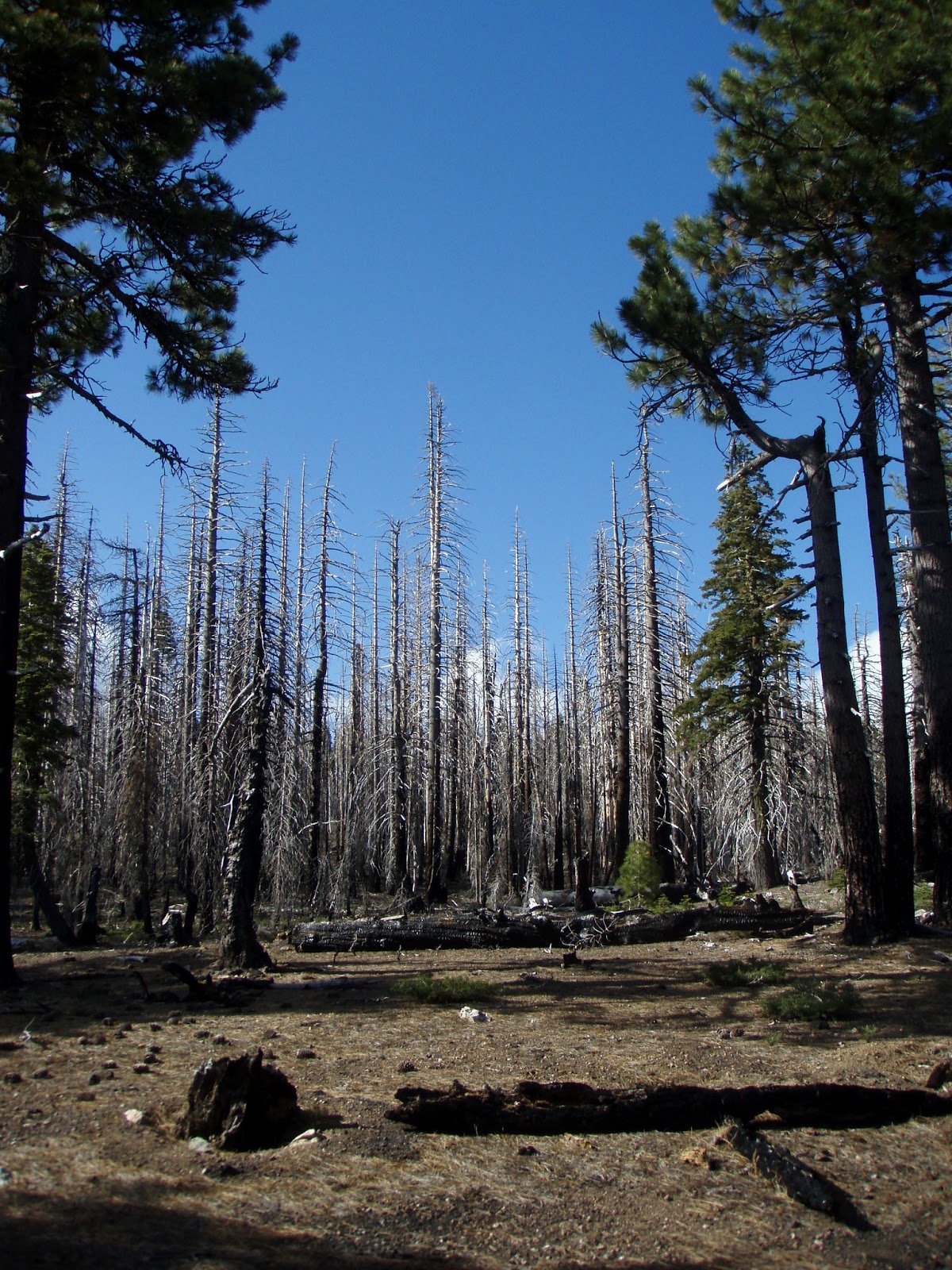
We piled into the two cars and began our caravan out to the Ranger’s Station closest to our end destination.   Meridith wrote last summer about how we love to talk to park rangers and get their recommendation on what to do in the area.  We planned to ask this ranger where she thought we should camp, and we needed to get a campfire permit.  I actually didn’t know that, in CA, when you are camping outside of designated camp grounds you must have a campfire permit to start a fire or use a camp stove.  It’s a cool practice because they go through a bit of basic fire safety with you and make you state (cross your heart) that you will abide by certain cations to minimize fire risk.  If we want to keep enjoying the wilderness, we need to make sure and follow the rules.  Fire permit in hand, we headed to the recommended Summit Springs Trailhead.  Along the way we drove through the remnants of a forest fire, which A (a forest ecologist who studies fire!) told me happened in 2009.  We pitched our tents at the informal site along a flat about a quarter mile short of the trailhead.

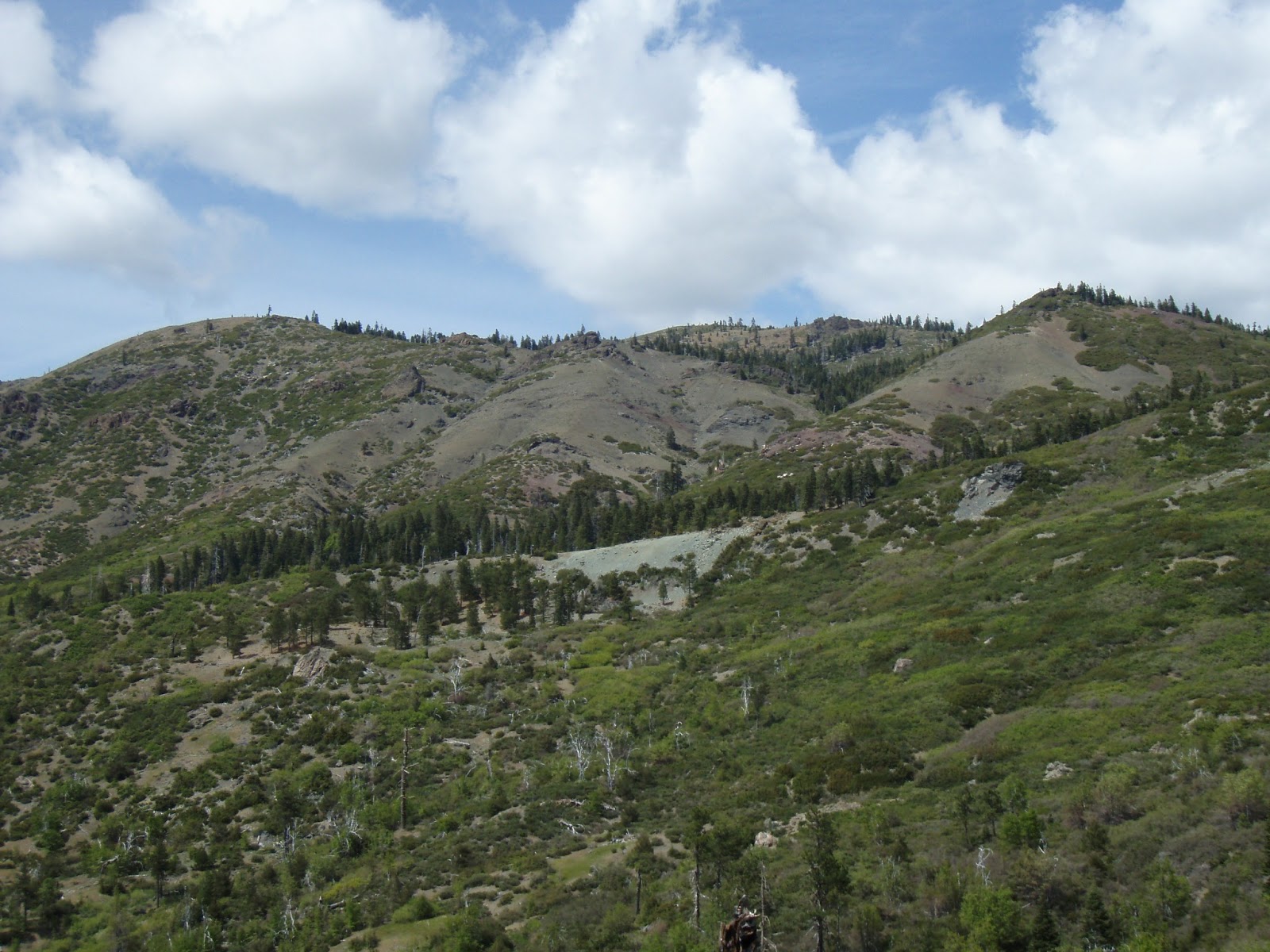
The light green looking clearing in the center is a
serpentine outcrop
Serpentine

After an awesome lunch, we headed to the trailhead around 2:45 for a 4 hour hike about the wilderness.  We saw tons of really cool native flora and some awesome vistas.  One set of really cool ecological features we saw were the serpentine outcropings.  These unique geologic formations result in the very unique serpentine soils.  These soils are the result of the erosion of metamorphic rocks which contain high levels of iron and magnesium.  Due in part to the unique mineralogy of these rocks (and in part to some other ecological characteristics about which I am certainly not an expert), this soil has very characteristic properties and supports a specific group of native plants.  The really cool thing about serpentine outcrops is that they represent small discreet patches of habitat for theses specialized communities.  As a result, these soils and their associated flora and fauna have been used to study many ecological theories (island biogeography, meta-population structure, meta-community theory, just to name a few).  Plus, these are just really pretty rocks.

Forest Frisbee
Old Forest Fire

We arrived at an open glade around 5:00 pm, and everyone was pretty ready to turn around and head back for dinner prep before we lost the light.  A little game of frisbee broke out, and a few of us wandered a little past the open area, and around a meadow to attempt to get another good view.  Meadows are really cool ecosystems as well.  A lot like wetlands, they are periodically wet and walking through them can cause subtle changes in elevation, which alter hydrology and can impact the native species.  Public service announcement:  when you are hiking, always walk around a meadow.  We found our final view, which was a great glimpse of the valley and part of the Coast Range, and we also passed through another, older (according to A) forest fire.  Seeing all the burned trees standing there, stark white, with little saplings popping up underneath was really cool and moving for me.  Seeing the natural cycles of nature, and feeling like I understand even a small part of what is going on is humbling and exciting.  We headed back to camp, made an epic dinner, had an killer bonfire, drank some adult beverages, and ate (at least I did) one too many s’mores.  As the night wound down, we dowsed our fire with a substantial amount of water, stirred the embers, and headed to bed.

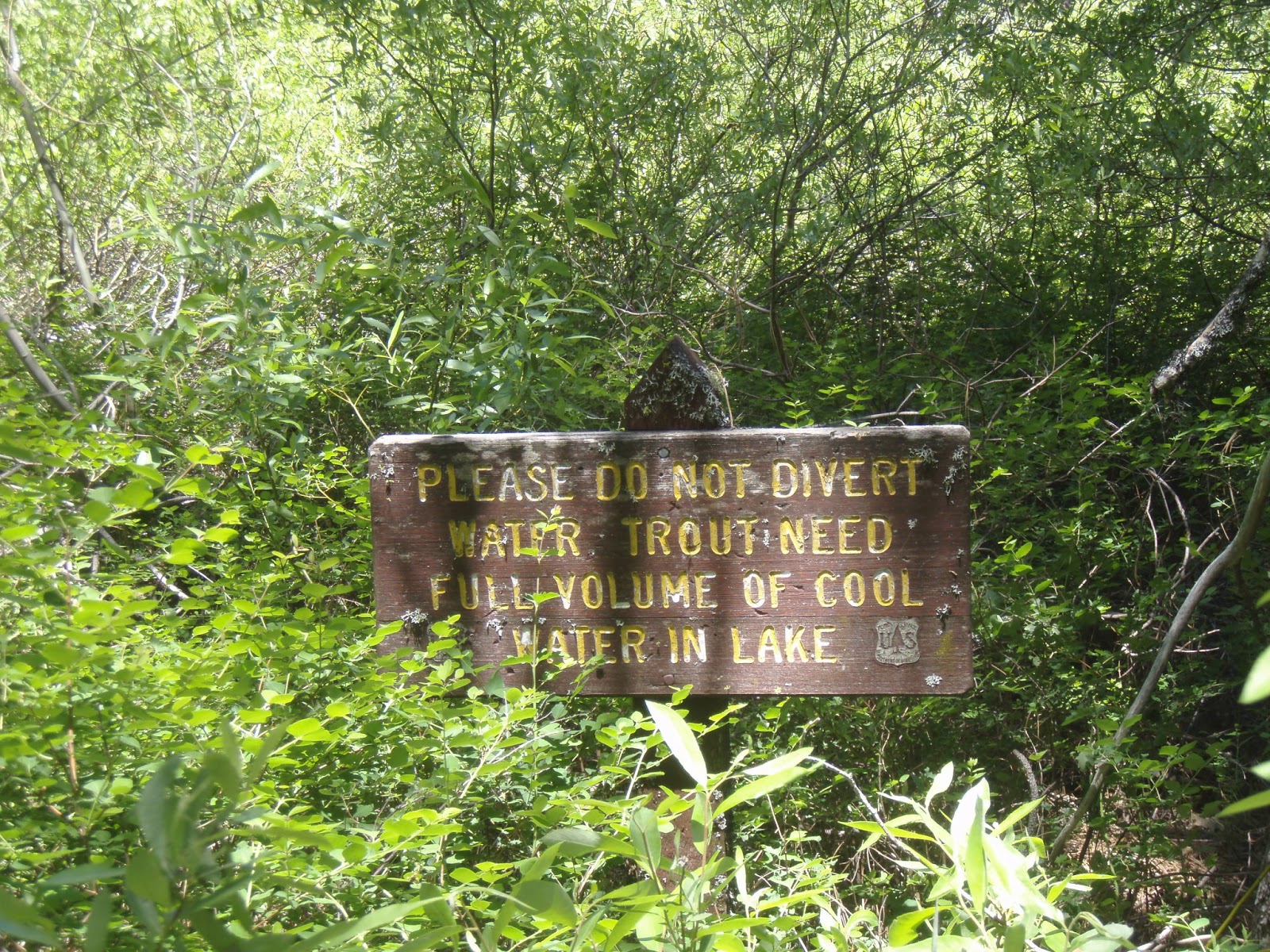
Informative Sign

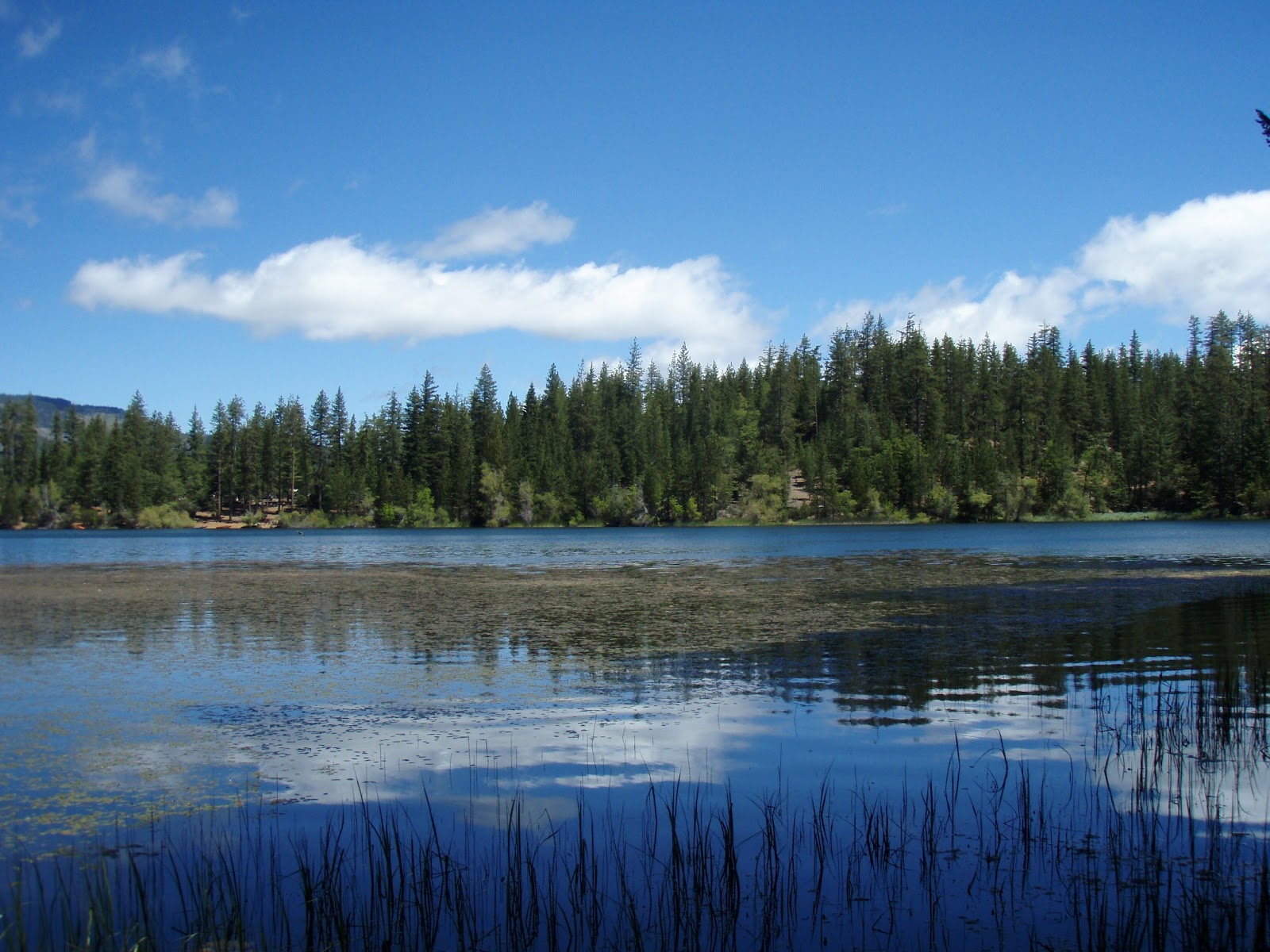
The next morning after breakfast, we packed up our camp and headed back down the road.  We wanted to get another short hike in, but weren’t sure where we wanted to go.  One of our party had a really poor night’s sleep and another had long standing knee issues.  After a full day of hiking the day before, we were looking for something low key.  Luckily, on the way out, we passed a sign for Letts Lake.  We snacked by the shore then took a short, hour long hike all the way around the shores of the lake.  I, naturally, poked all around at the edge of the water and took a picture of the lake from every angle.  I love ecology in general, but when you add water to it, I’m in my element.  I saw some cool dragonfly exuvia on the emergent vegetation and a pretty interesting informative sign.  I wish there had been a little more information as I could infer a lot from this sign, but I think the general public would have been interested in a  bit more information.

Letts Lake

And that was that.  Adventure success.  And, despite my initial shy-girl reservations, I had a great time with this group of people and think I will hang with them again in the future.  It’s hard for me, but I always feel so great after making new connections or expanding on ones that are already in place.  I’m excited to see what will happen in June as that will be the half way point for this new year’s resolution.

Last Word:  After feeling sort of despondent after a few weeks of pretty intense work, getting out into nature totally recharged my batteries.  As usual when traveling, I tried to make sure we took as few cars as possible.  We brought and cooked almost all our own food (we stopped at a little Mexican joint on the way back out of the woods) and were careful to LNT (leave no trace) when we packed up our campsite.  We also were very careful about our use of fire in the woods and made sure to get the proper permits.  I also took lots of pictures and made sure to get thoroughly wow-ed by the natural splendor of the area.  A very successful trip indeed.      

This is me, glorying.

What do you think?  Do you get nervous going on trips with people who you don’t know super well?  What are some of the best nature facts you’ve learned on the trail?  Any awesome “wow, this is beautiful and makes me feel small, which is AWESOME!” moments to share?   

Low Impact Travel: Going to the Snow

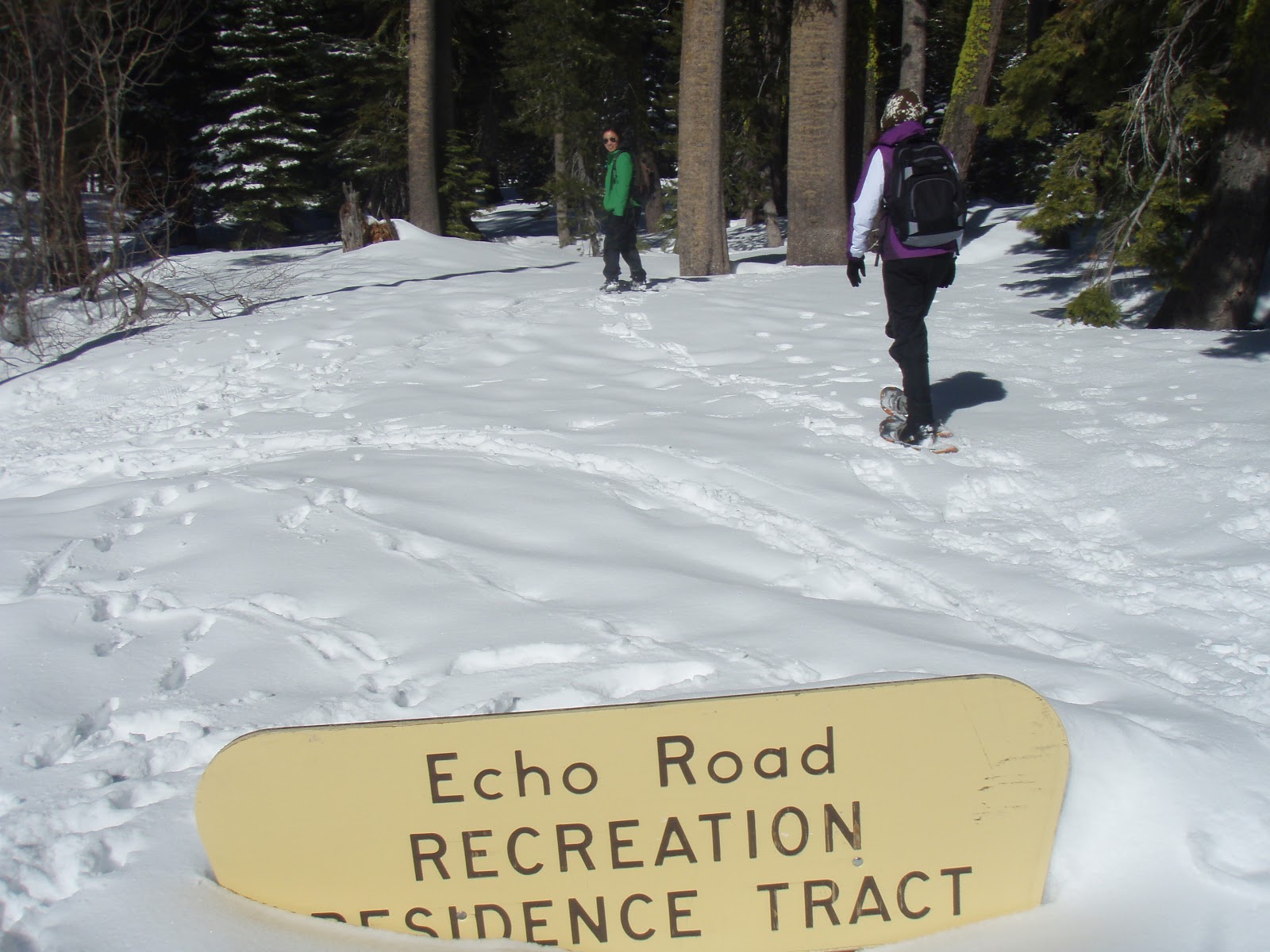
My feet in my snowshoes!

I think, a lot of times, people perceive a ecology-centered lifestyle (or green…I’m never really sure what terminology to use) as being restrictive.  It’s not an outlandish conclusion to come to, really.  Essentially, when making decisions in an ecosystem context, you’re thinking not just about yourself, but the system in which you live.  In that framework, sometimes the easiest, most convenient, or even funnest option isn’t the very best choice.  This can seem like, well, a bummer.  However, I think you will find that with a little effort and proper prior planning you can still enjoy the activities you love!  I’ll give you an example of an adventure I went on with some lady-ecologists this past weekend.

Not like the snow was deep or anything

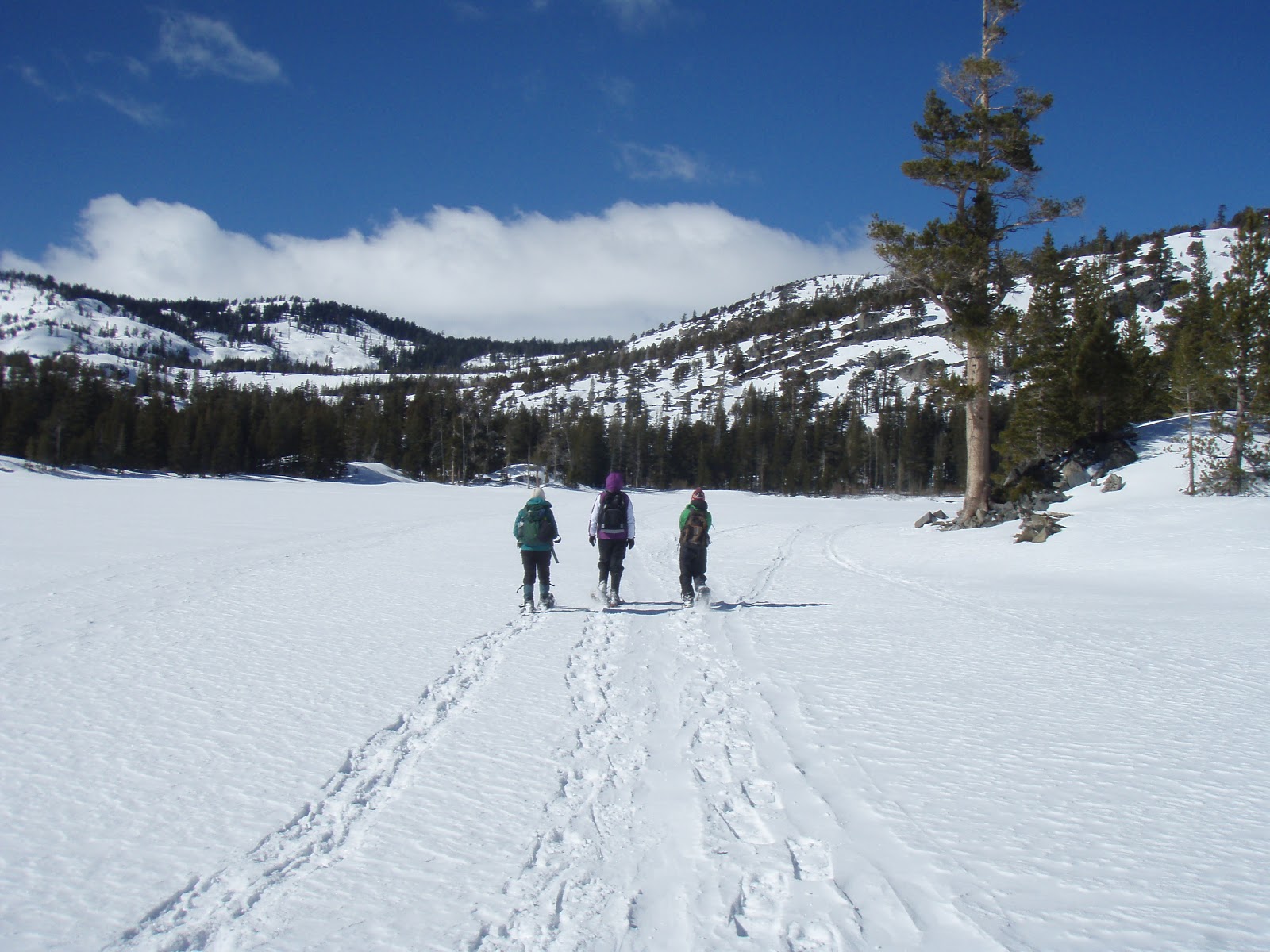
One of my friends in graduate school, A, is from Florida originally, and since winter has rolled in she has been jonesing to get to the snow!  Lucky for her, I am always game for an outdoor adventure, and we quickly found a few co-conspirators.  With a little quick research, A found that we could rent snow shoes from the campus outdoor club for 10 dollars for the whole weekend.  Renting or borrowing equipment that you will only use occasionally is one excellent way to lessen the impact of your adventures.  You can think of it as reusing on the social level!  So, on Friday, after my TA meeting, I tottered on down to the outdoor adventure accessorizer, and rented my snowshoes.  Easy peasie.  I also borrowed a pair of gaiters from one of the other girls coming along because I lack proper snow-playing  gear (I’d been living in SoCal for 3 years).

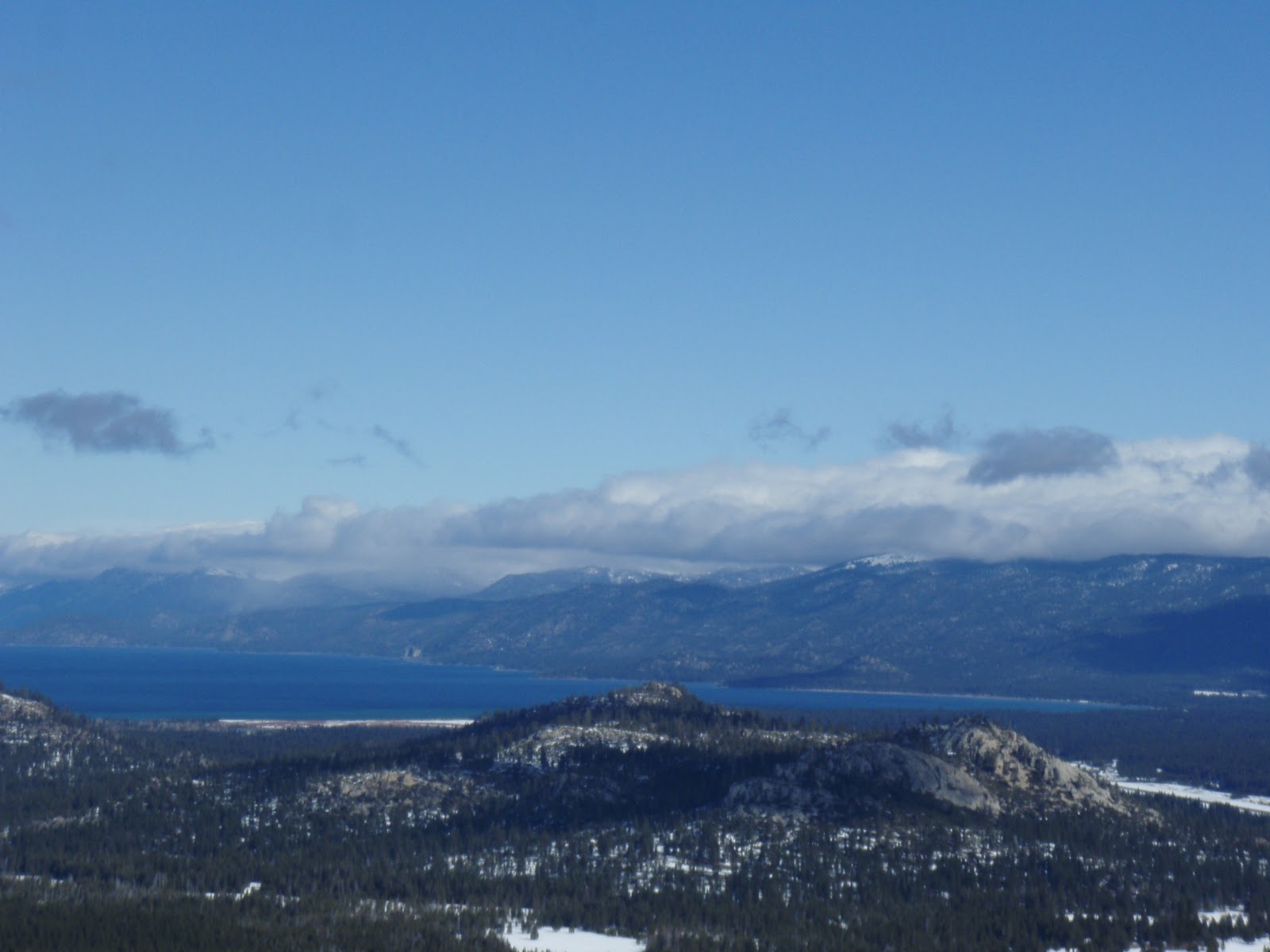
Lake Tahoe from afar

Originally, A and I had planned to head up to Lake Tahoe on Saturday night with a full car of friends and stay at a fellow student’s parent’s cabin, and another group planned to drive up Sunday morning early and meet us for the day.  However, around 3:30 Saturday afternoon, due to a number of circumstances, the volume of passengers in the car dropped to just A and myself.  We regrouped and called the Sunday morning crew.  Did they all want to carpool together on Sunday morning?  The deal was done, and we all had more time to do work (oh joy).  Carpooling is an extremely important part of lessening the impacts of your adventures.  If your schedule is flexible, taking the train or bus are also great options!  I used this carbon footprint calculator to estimate the emissions from our trip.  With 4 of us in the car, I estimate we emitted 0.09 metric tons of CO2.  That’s only 0.023 metric tons of CO2 each as opposed to 0.04 if we had stuck with the original plan and driven in pairs.  Additionally, considering the vehicle you choose to drive is key.  If I can avoid it, I never take my car on adventures unless it will be FULL of gear, surfboards, or people because the gas millage is not the best.

You have rented, you have carpooled, and now you are on your adventure!  Time to have a blast and/or marvel at nature (depending on the brand of adventure you have chosen).  Make sure you pack your own food and water to the greatest extent possible to reduce the unnecessary plastic wrapping associated with buying food on the go.  I go into some examples of the types of foods I like on the go here.  On this adventure, I had a few granola bars (weird composite wrapping, too bad) and lots of fruit!


Lower Echo Lake
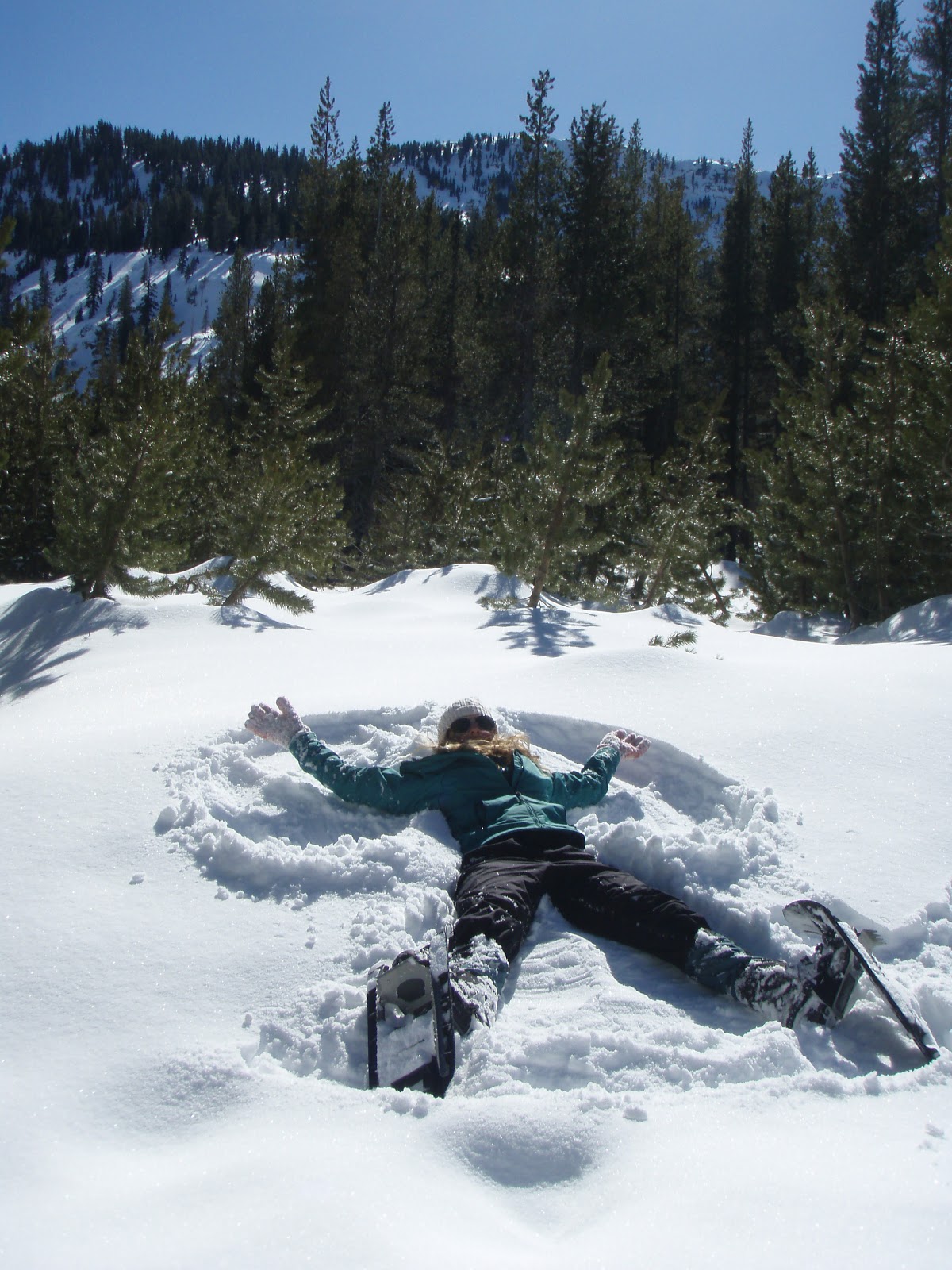
How long could we have resisted?

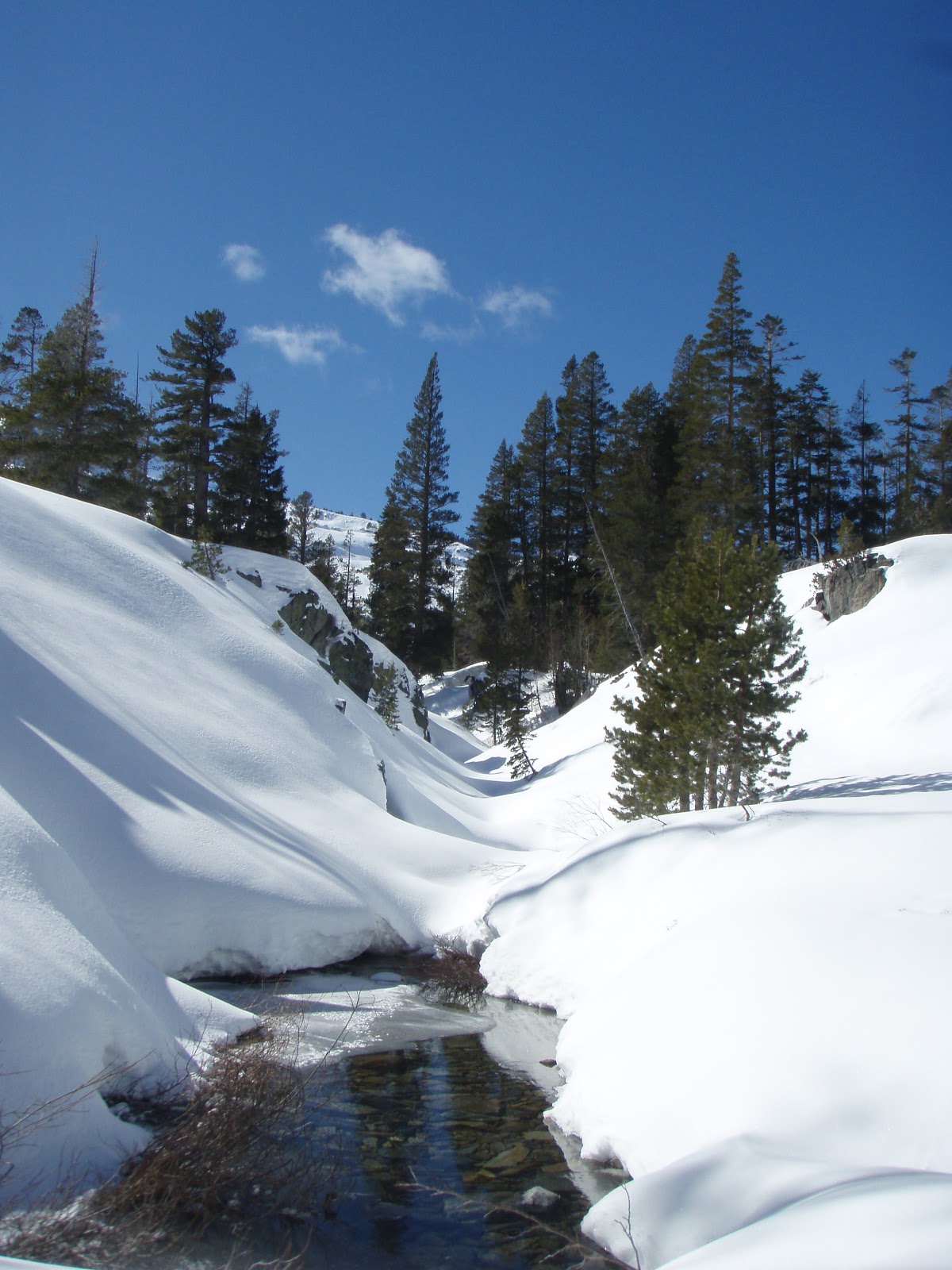
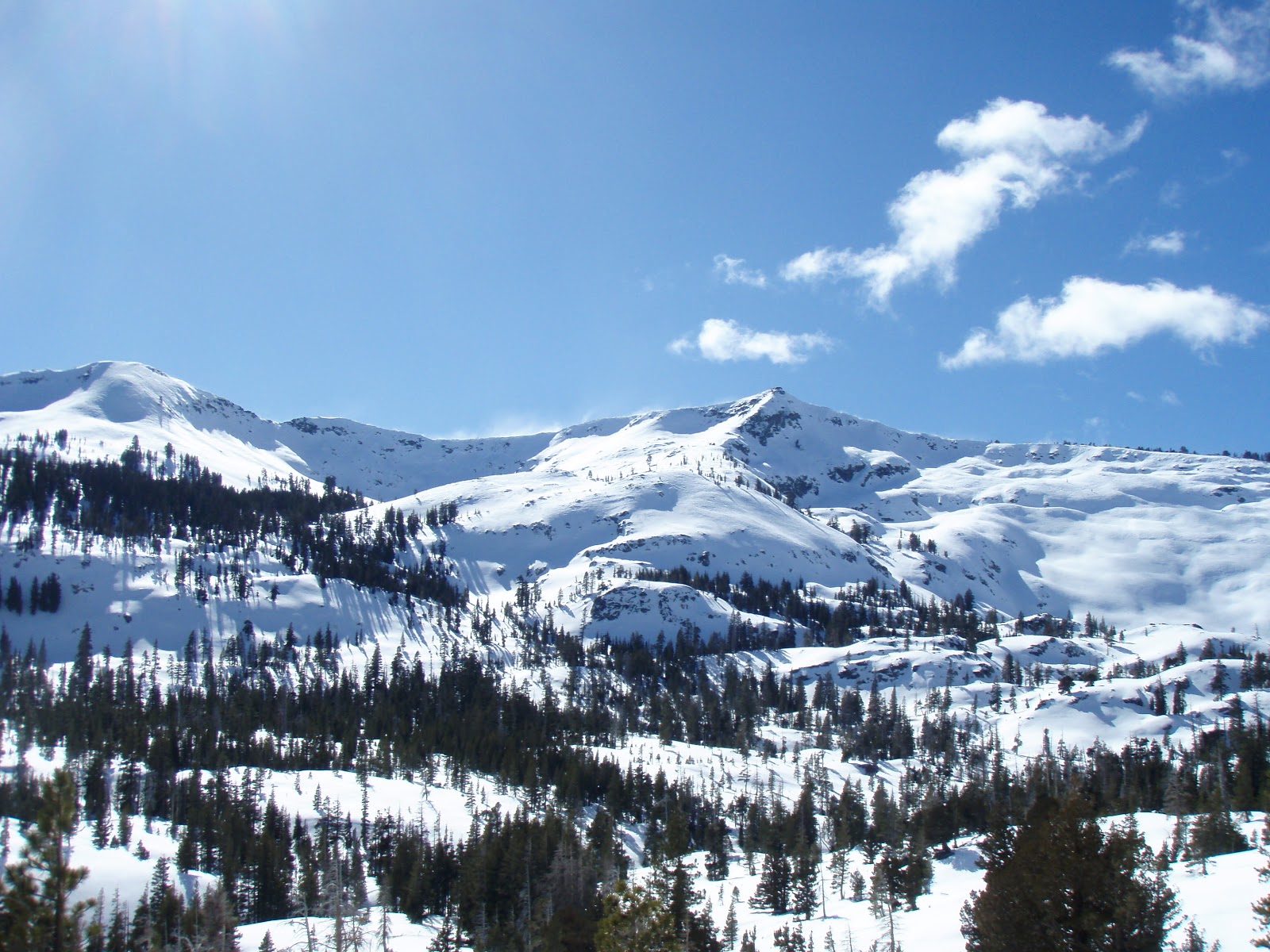
After this weekend, I would highly recommend that everyone go on a winter adventure ASAP.  As we discussed on our hike, the deep snow makes LNT (leave no trace) hiking super easy.  You don’t have to worry about messing up trails, damaging vegetation, or contributing to erosion because…you’re just walking on top of the snow!  It was also wonderful to get out into nature as it really helped me to decompress.  I’m never sure how much to write about it here, but being a graduate student is really stressful.  I’m busy a lot, and that’s why my posting here isn’t super regular.  However, when I spend time on non-academic things on purpose, I’m much more productive during my week.  And running around this winter wonderland was a great use of my time!

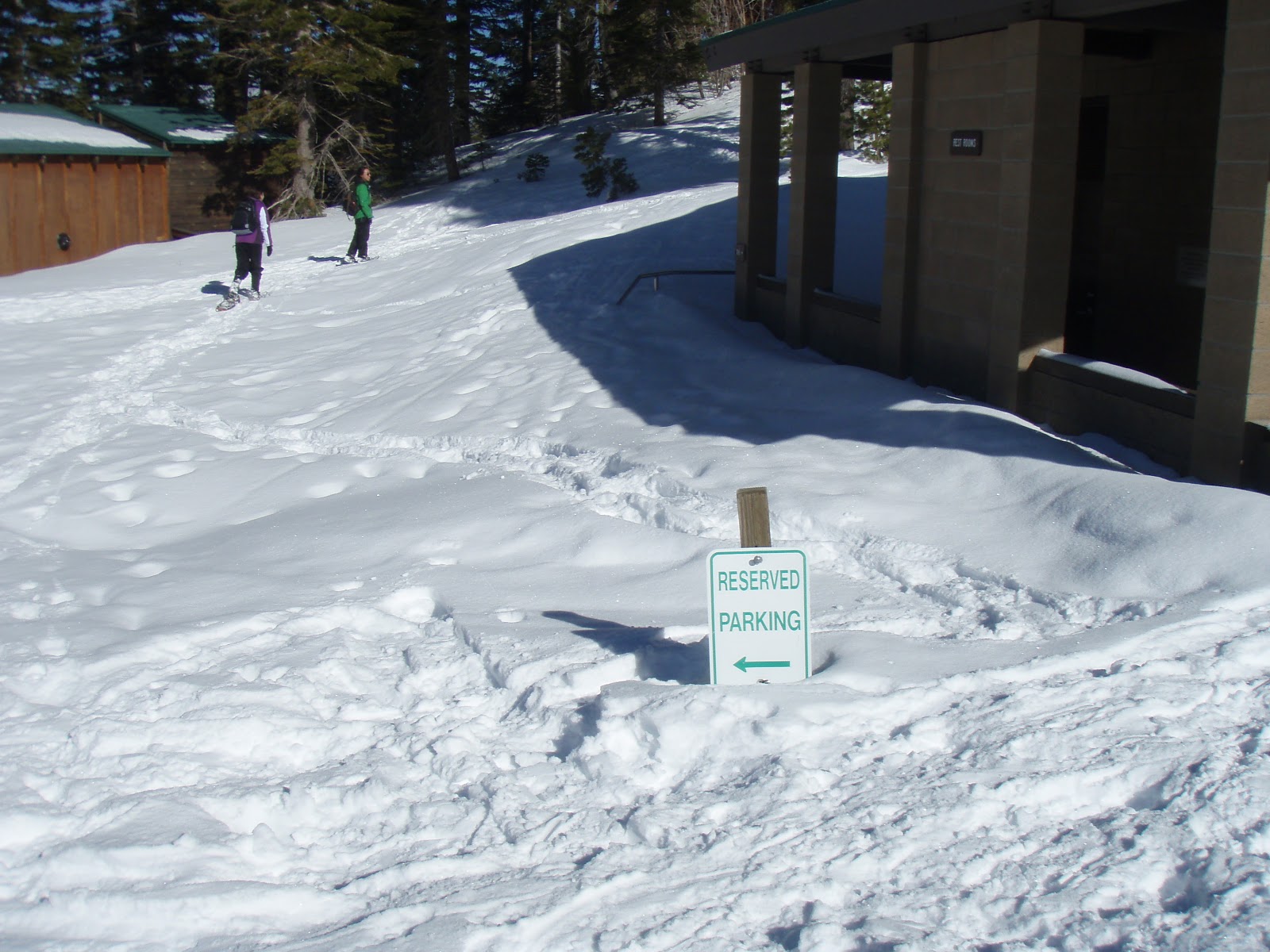
Really guys, don’t even try and park here.


Last Word:  Adventuring while living an environmentally conscious life is possible!  All you need is a little bit of creativity and desire to make a good plan.  Knowing I put in just that little extra effort makes me feel even more excited about my current/future endeavors   Over the last weekend, my major green decisions were to rent/barrow gear, carpool, and pack lots of snacks!  Next time you long for an adventure, try to implement at least one (maybe two!) of these strategies, and try to find a way to measure the results.  I love looking at the numbers and seeing the impacts of my decisions.

 What do you think?  Are there things you could do to make your adventures easier on the planet?  Any tips for low impact travel that I haven’t mentioned in this post?  I would love to hear them!