Eco-Inspiration: Love Letter to the USA National Parks

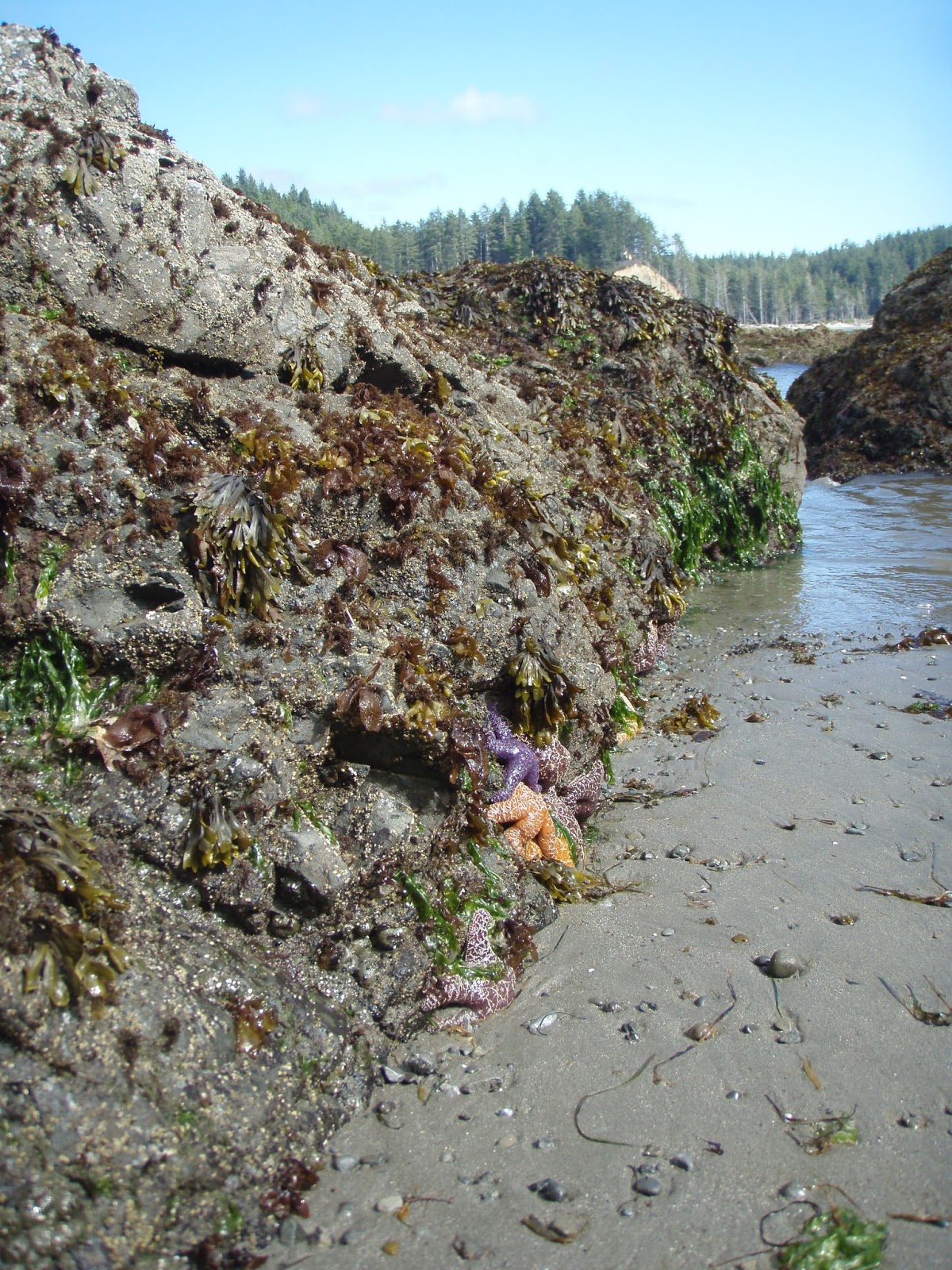
Olympic NP, July 2012.  Holds the distinction of
being my FAVORITE NP.

I know I’m late to the party, but I hope that everyone had an amazing holiday weekend and a great 4th of July.  If you are a puppy, or if you love a puppy, then I hope that Thursday wasn’t too stressful for you!  I always think the 4th of July is really interesting, and I do try to take time and reflect on things that I really appreciate about the USA.  I know we aren’t a perfect country, but we are a country of big bold ideas.  And one of the biggest and boldest of those ideas is the American National Park Service and the system of parks they manage.  I am absolutely in love with visiting national parks, and as of 2010, I made it my 10-year goal to see all of my country’s national parks.  A lofty goal, perhaps.  A worthy journey, most certainly.

The National Park Service does a lot more than just manage the 59 recognized national parks in the system. They also look after national lake shores, battlefields, historic sites, heritage areas, sea shores, rivers and so much more (get a full list here)!  But, as that bring the count of parks to see way (way) up, my goal is just to see the 59 official parks.  As I am writing this, I can say I have been to 16 parks and driven through another two, though I don’t plan to count those unless it comes down to the wire.  I have plans to visit Alaska, which boasts a high score of 8 national parks, once I finish my PhD.  So, between then and now, I guess I have to see the rest!

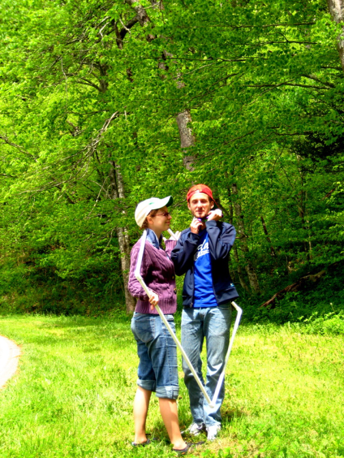
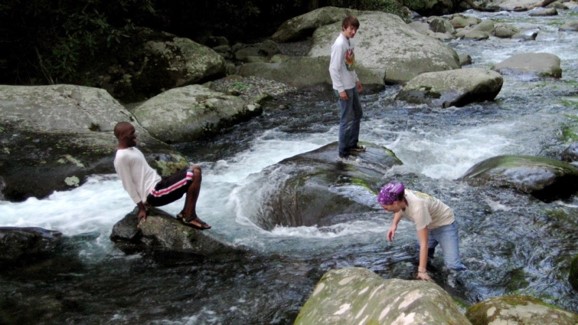
Great Smoky Mts. NP, April 2009

The rest of this post will just be pictures from each park I’ve visited.  The thing that inspires me about the US national parks, and why they make me truly proud to be an American, is their diversity and the respect they inspire.  There are so many different species, vistas, and ecosystems protected under the same governmental system!  What’s more, every time I visit a national park, I hear three or more different languages being spoken.  Tourists from all over the nation and all over the world recognize the significance and importance of the US national parks.  These places can inspire us all.  They most certainly inspire me.  So, happy late Independence Day.  Take a listen to Woody Guthrie, and gander at my current progress toward my favorite long-term goal.

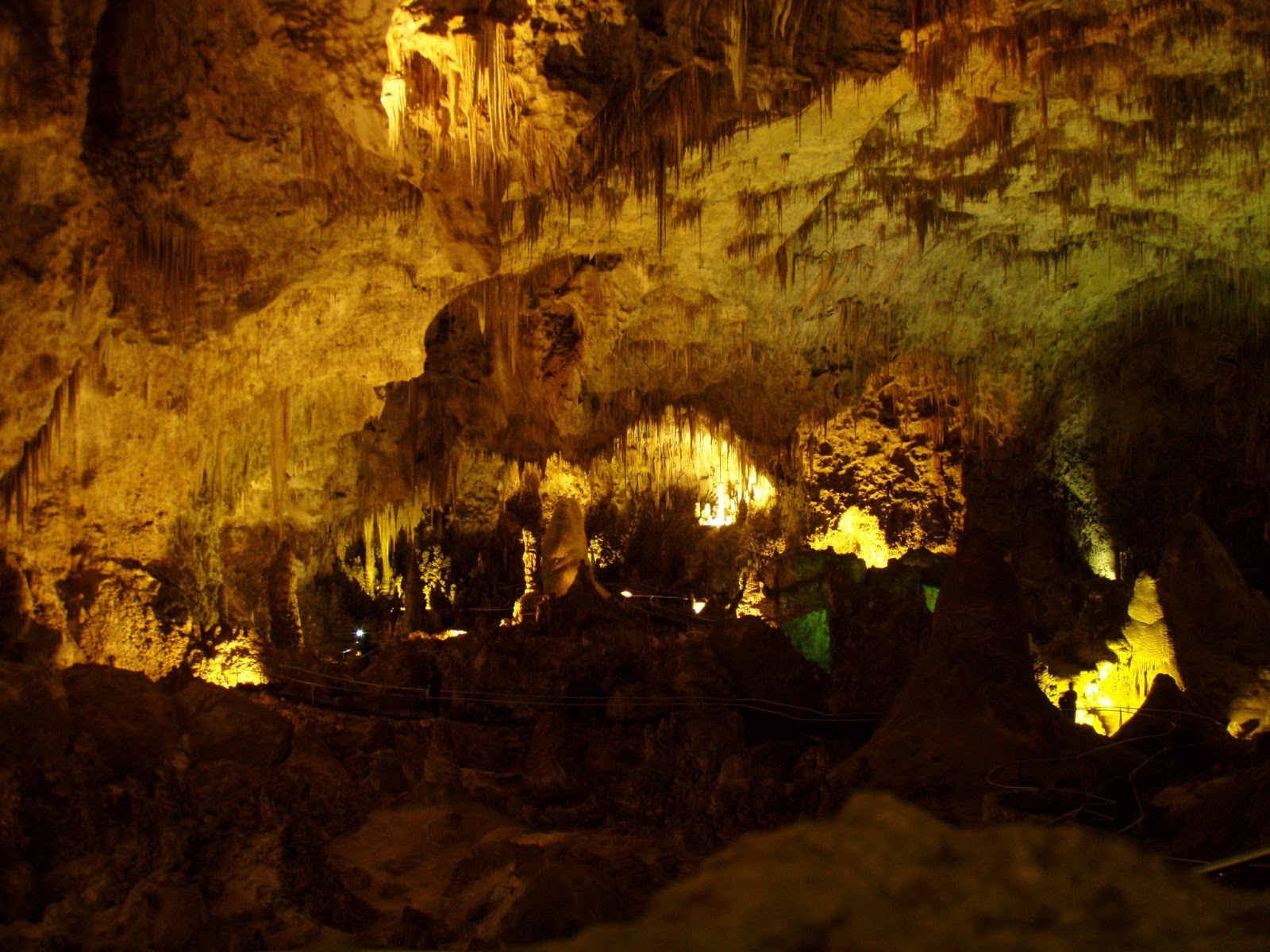
Carlsbad Caverns NP, July 2012

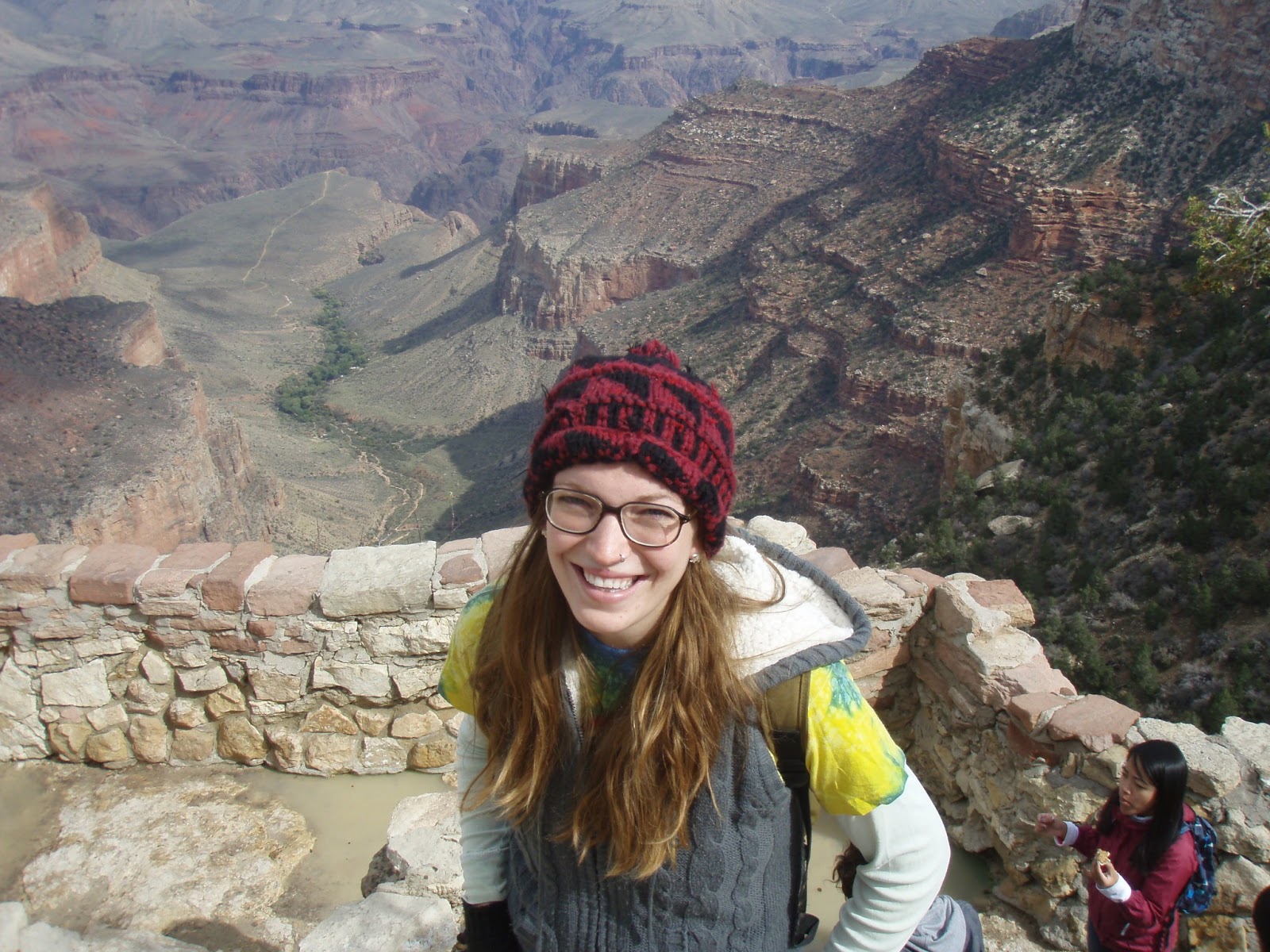
Grand Canyon NP, Oct 2010.  Impossible to get a picture to do the
GC justice…so you have to look at my face.

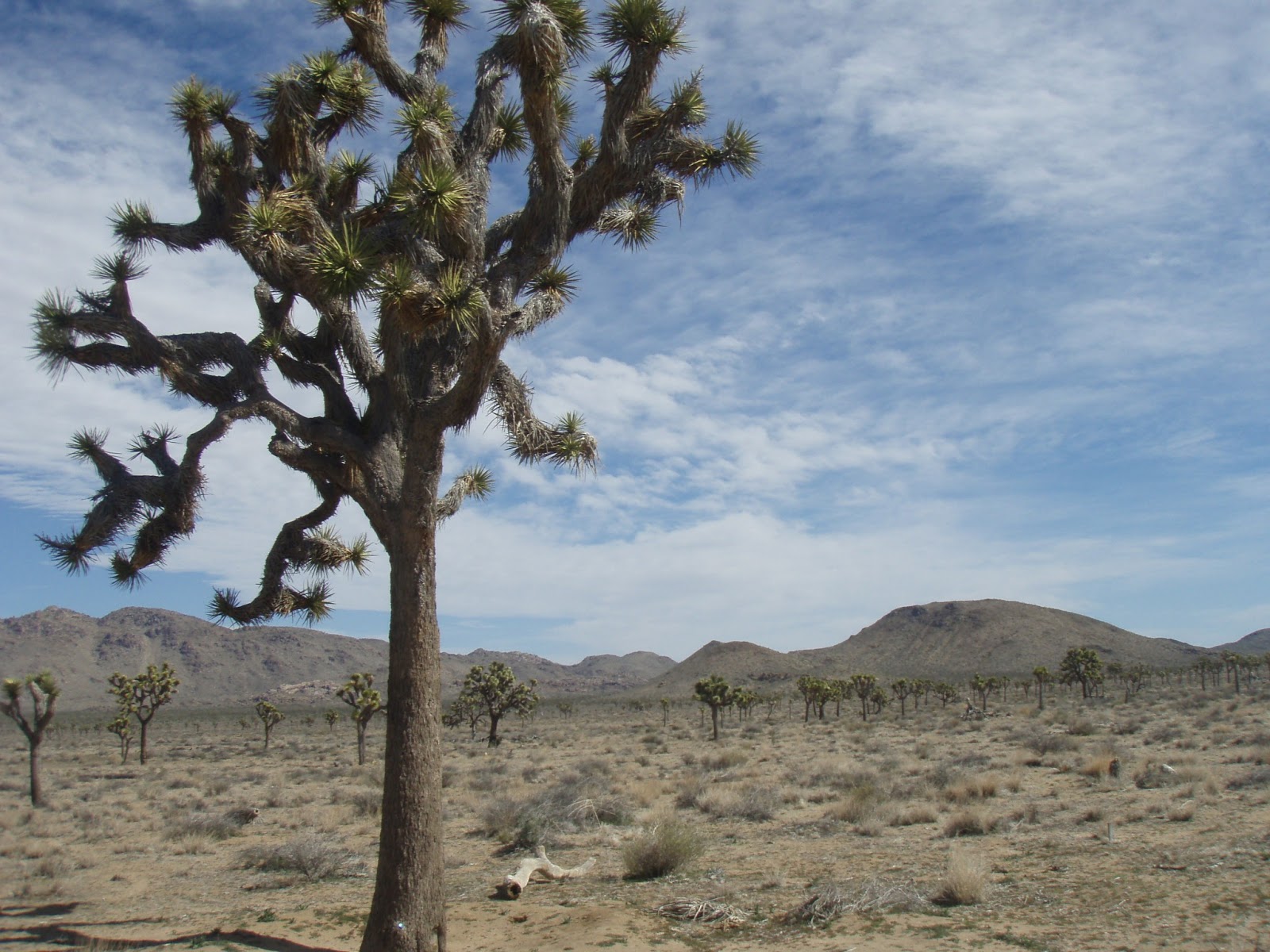
Joshua Tree NP, March 2010.  FYI, that’s a J-tree.
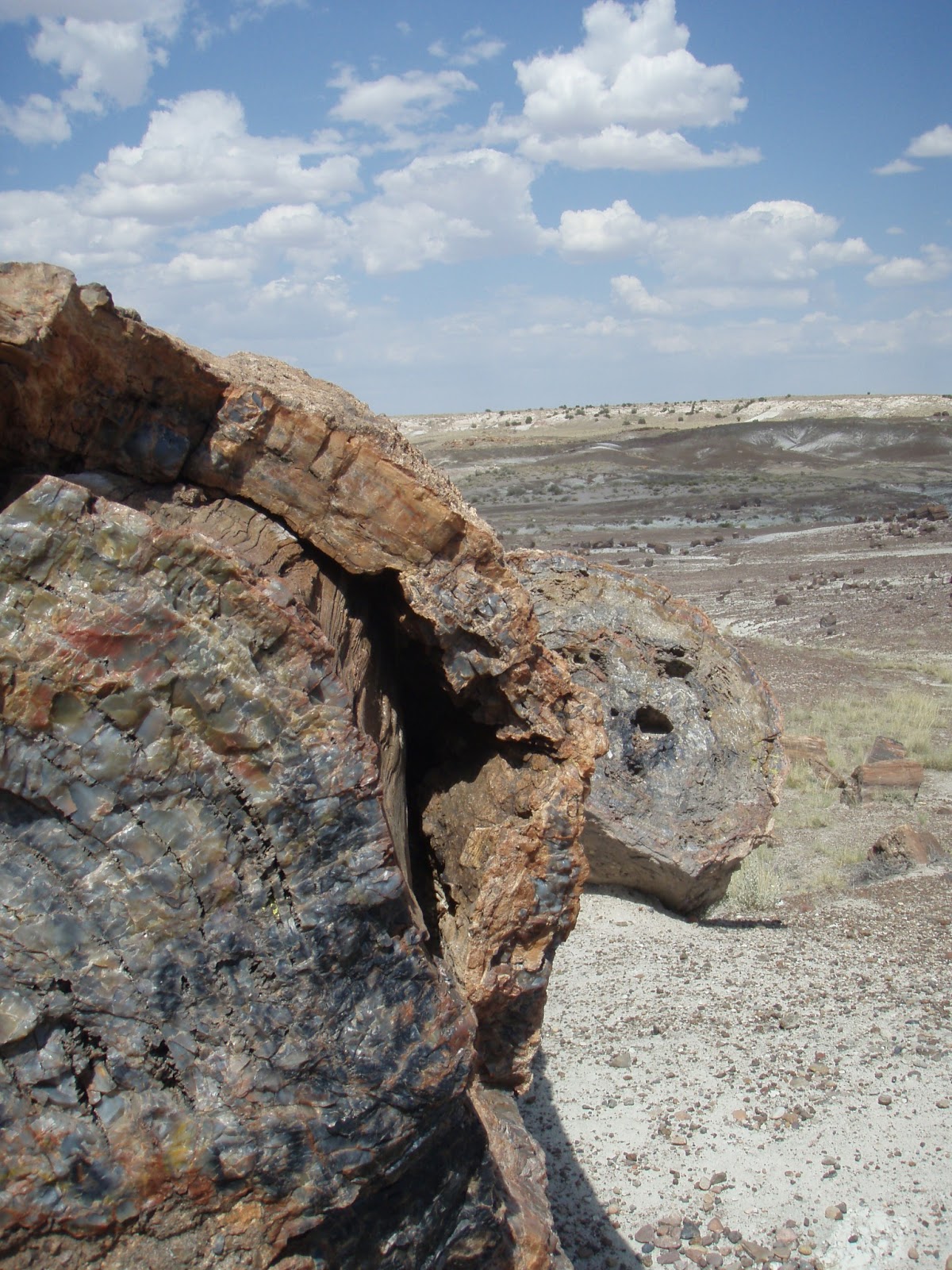
Petrified Forest NP, Aug 2009
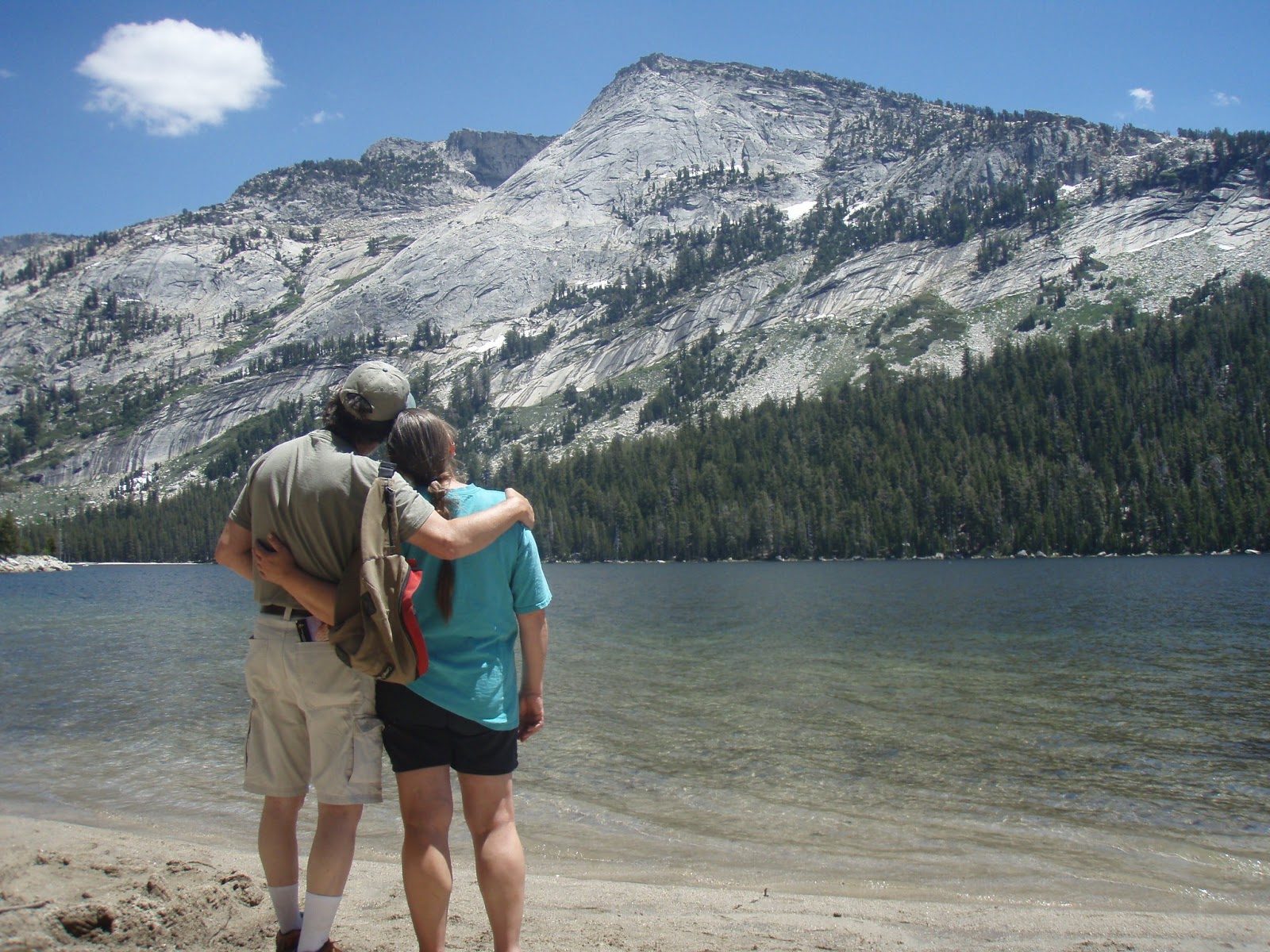
Yosemite NP, July 2010.  Also the most adorable picture of my parents EVER. 
                
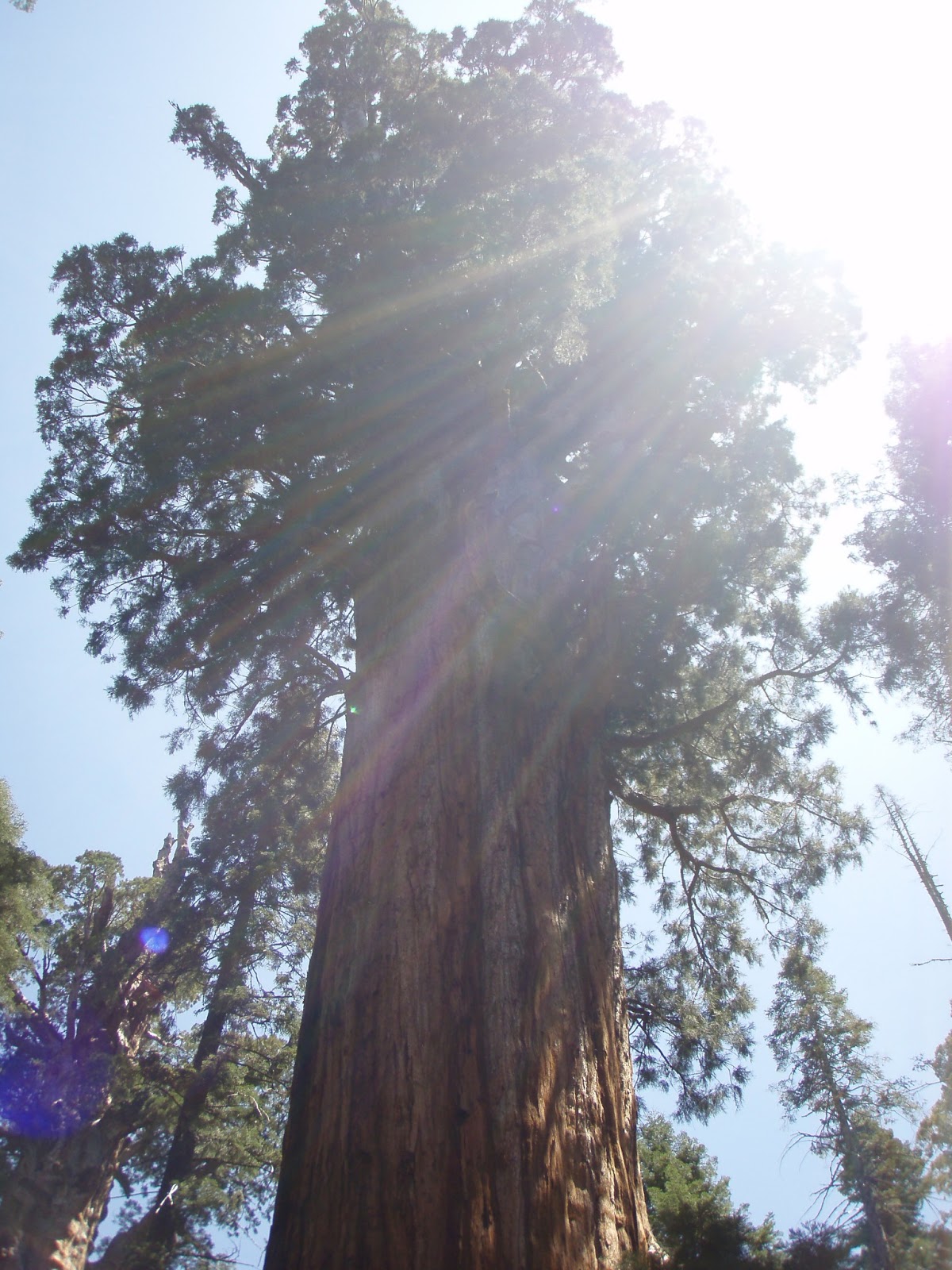
Sequoia NP, June 2011
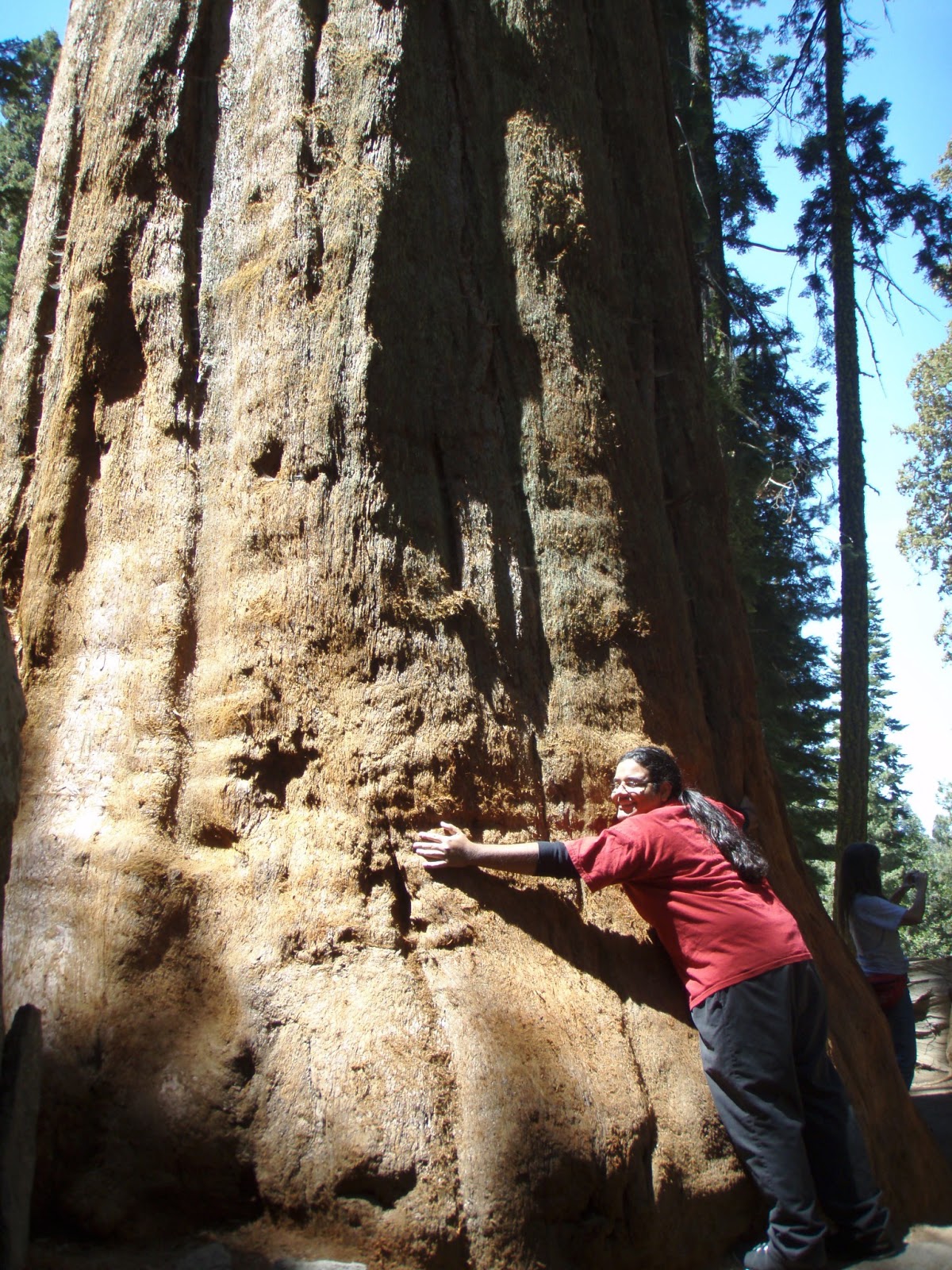
Sequoia NP, June 2011.  My boo, big tree.

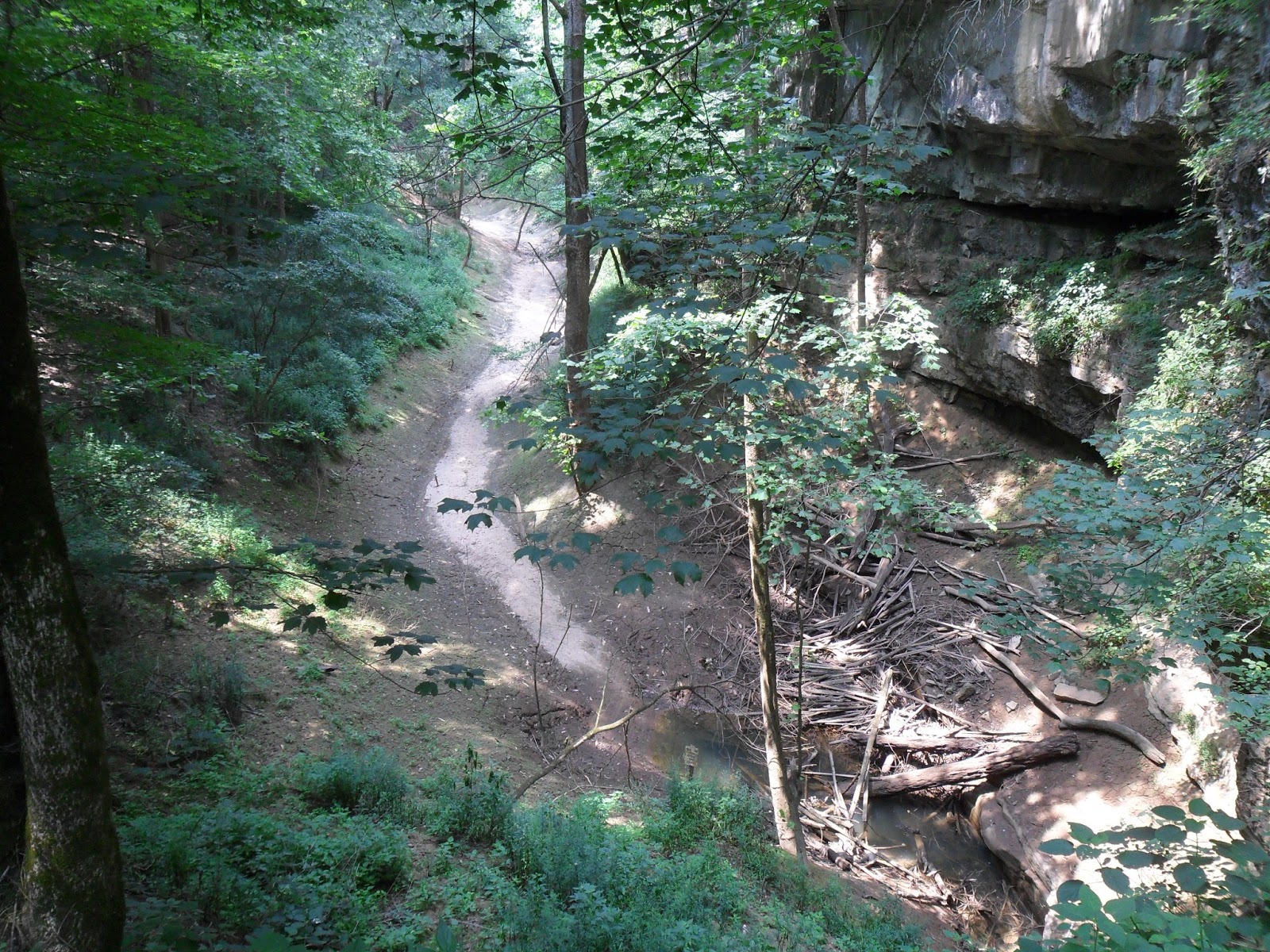
Mammoth Cave NP, July 2012.  Pictured: Disappearing River
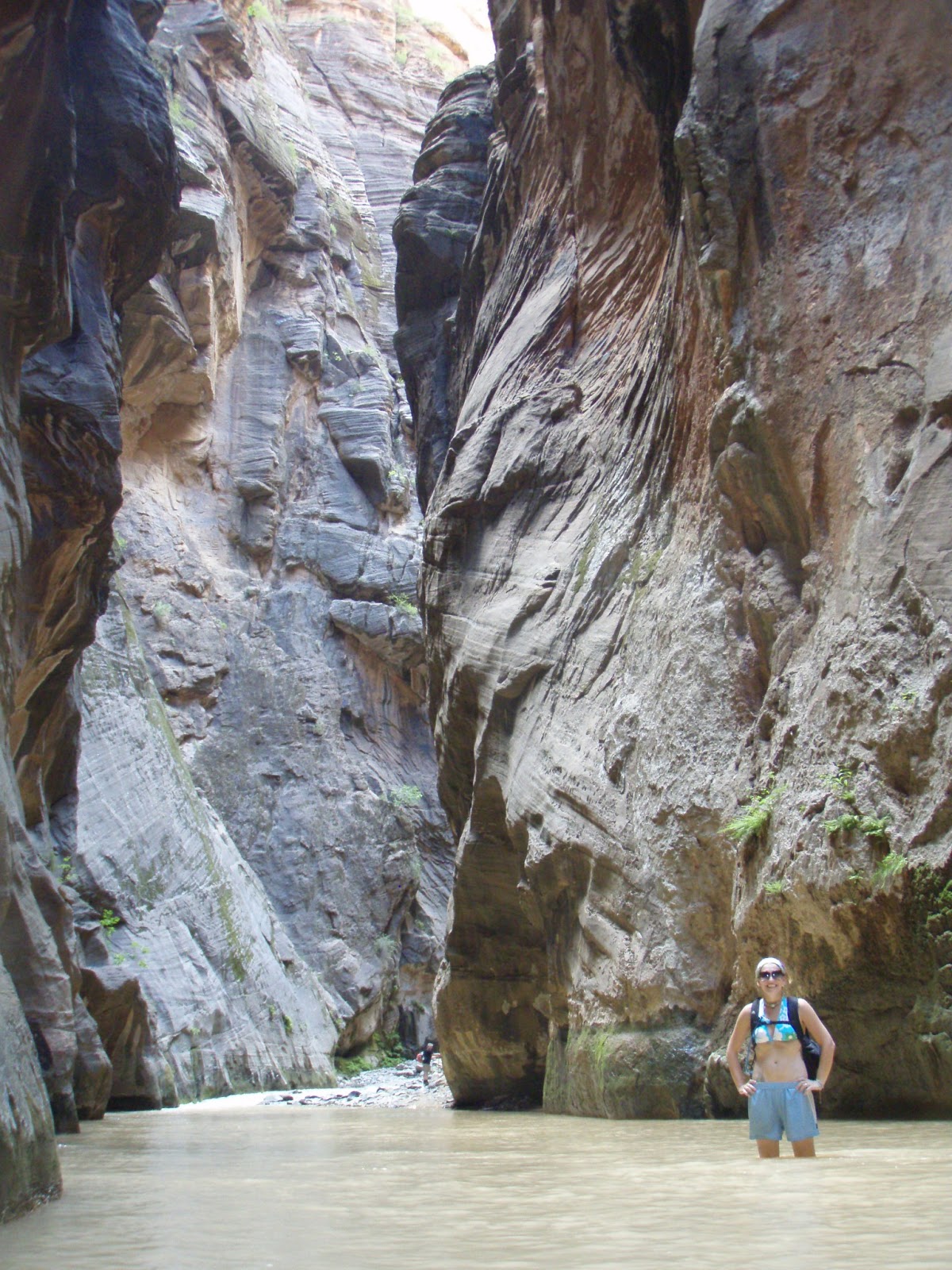
Zion NP, July 2012.  Hiking the Narrows.
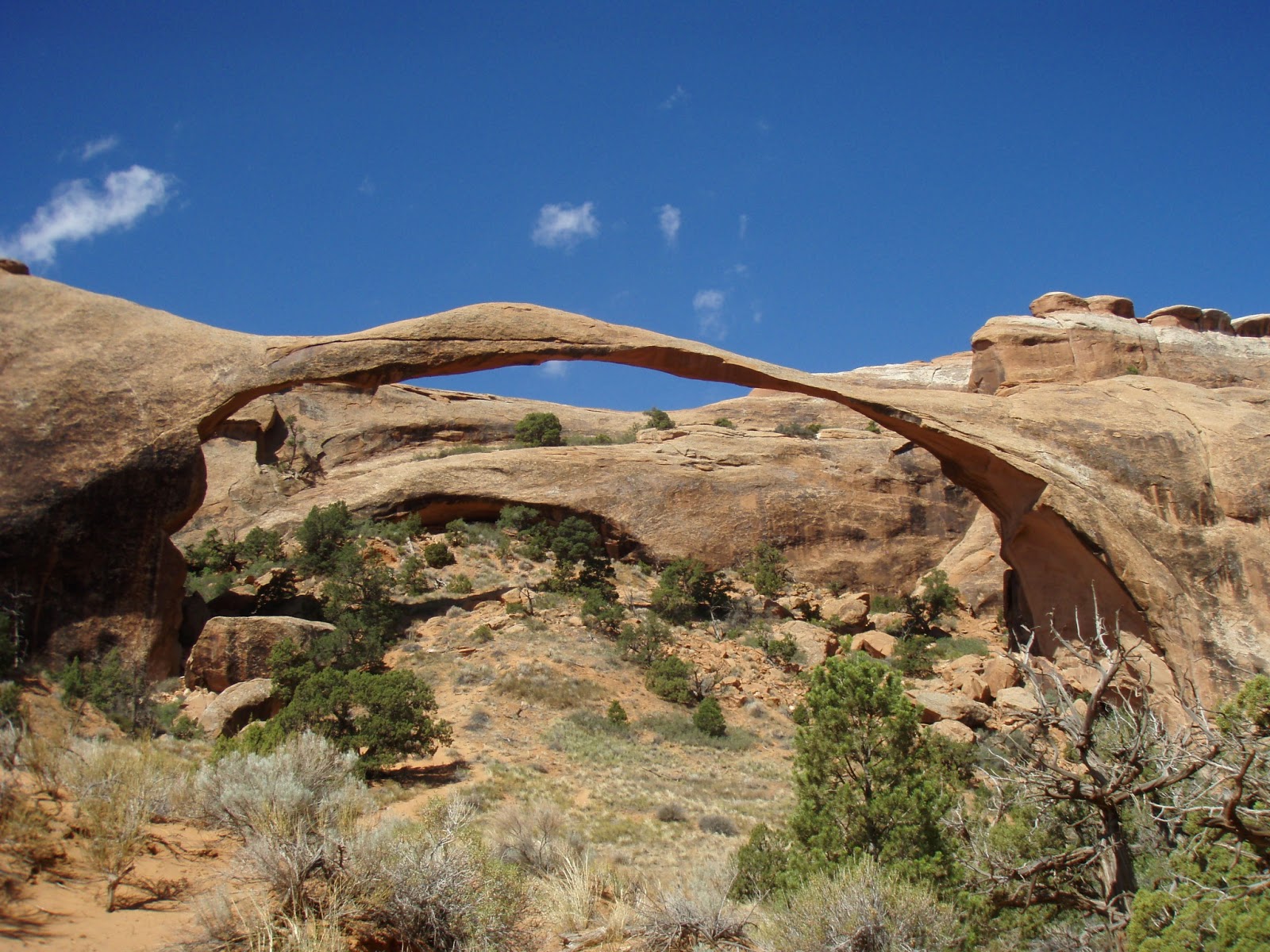
Arches NP, July 2012.  Landscape Arch, can you see the part that most recently fell off?
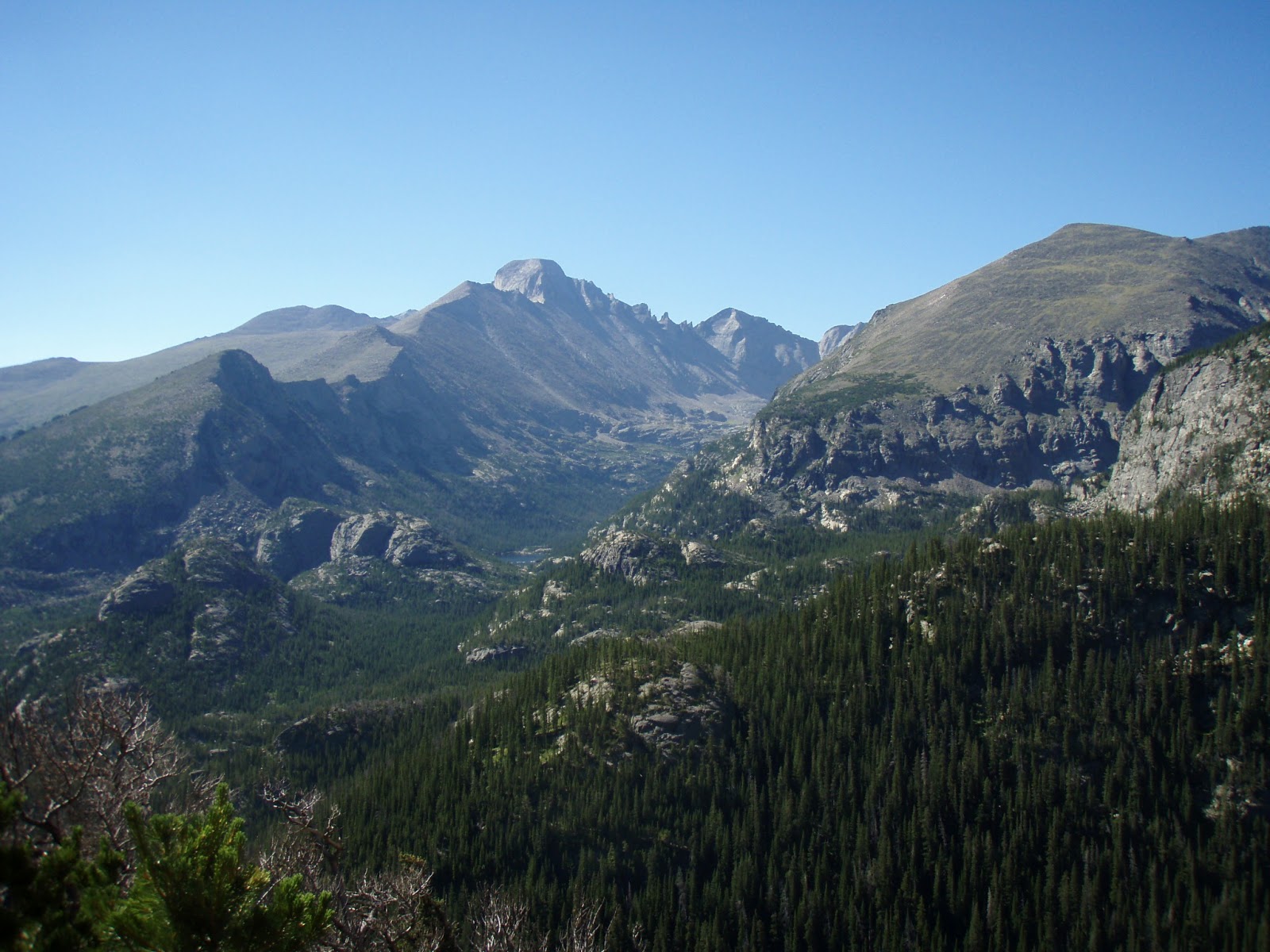
Rocky Mt. NP, July 2012
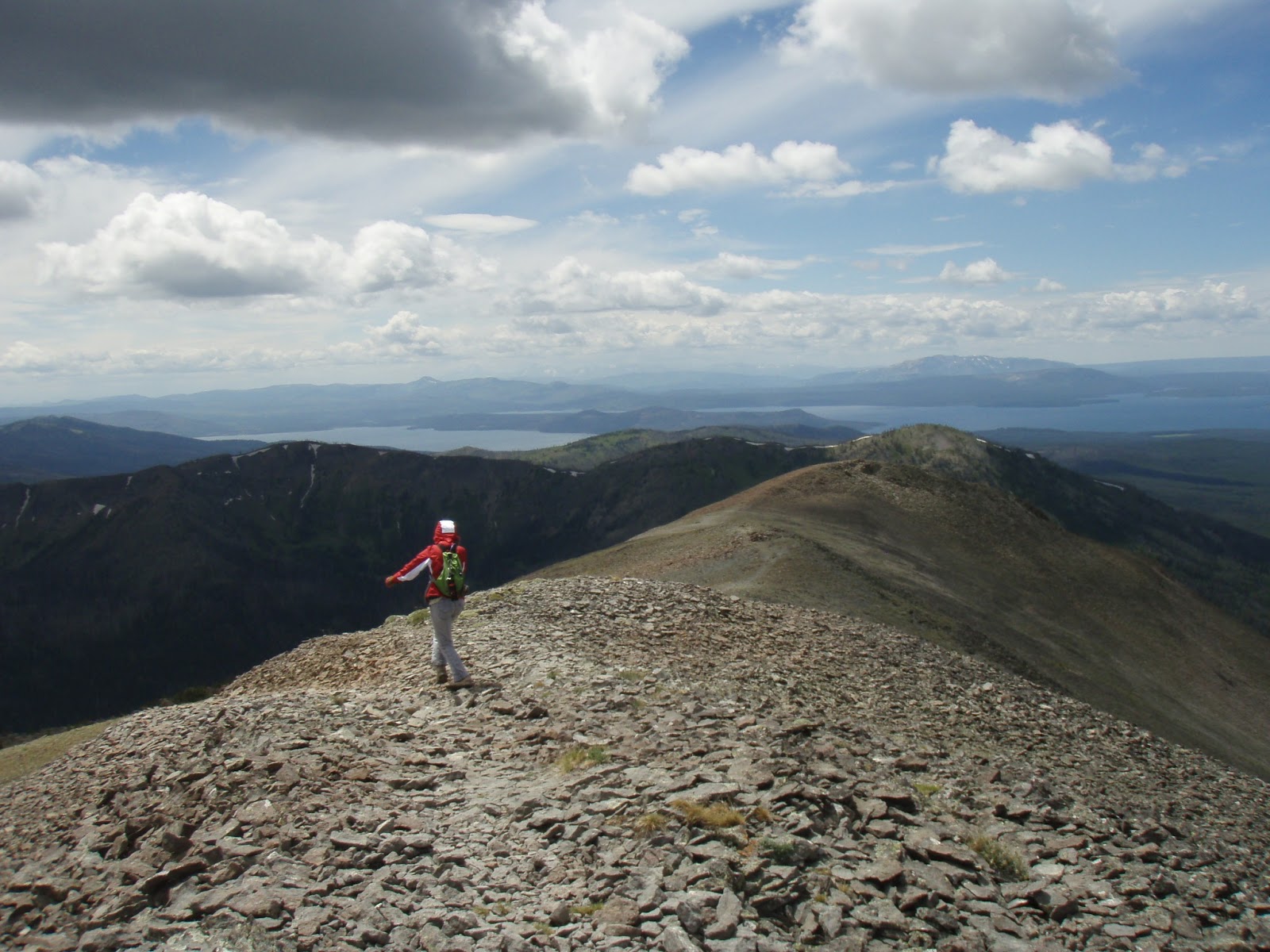
Yellowstone NP, July 2012.  My girl Meridith, ridge walking.
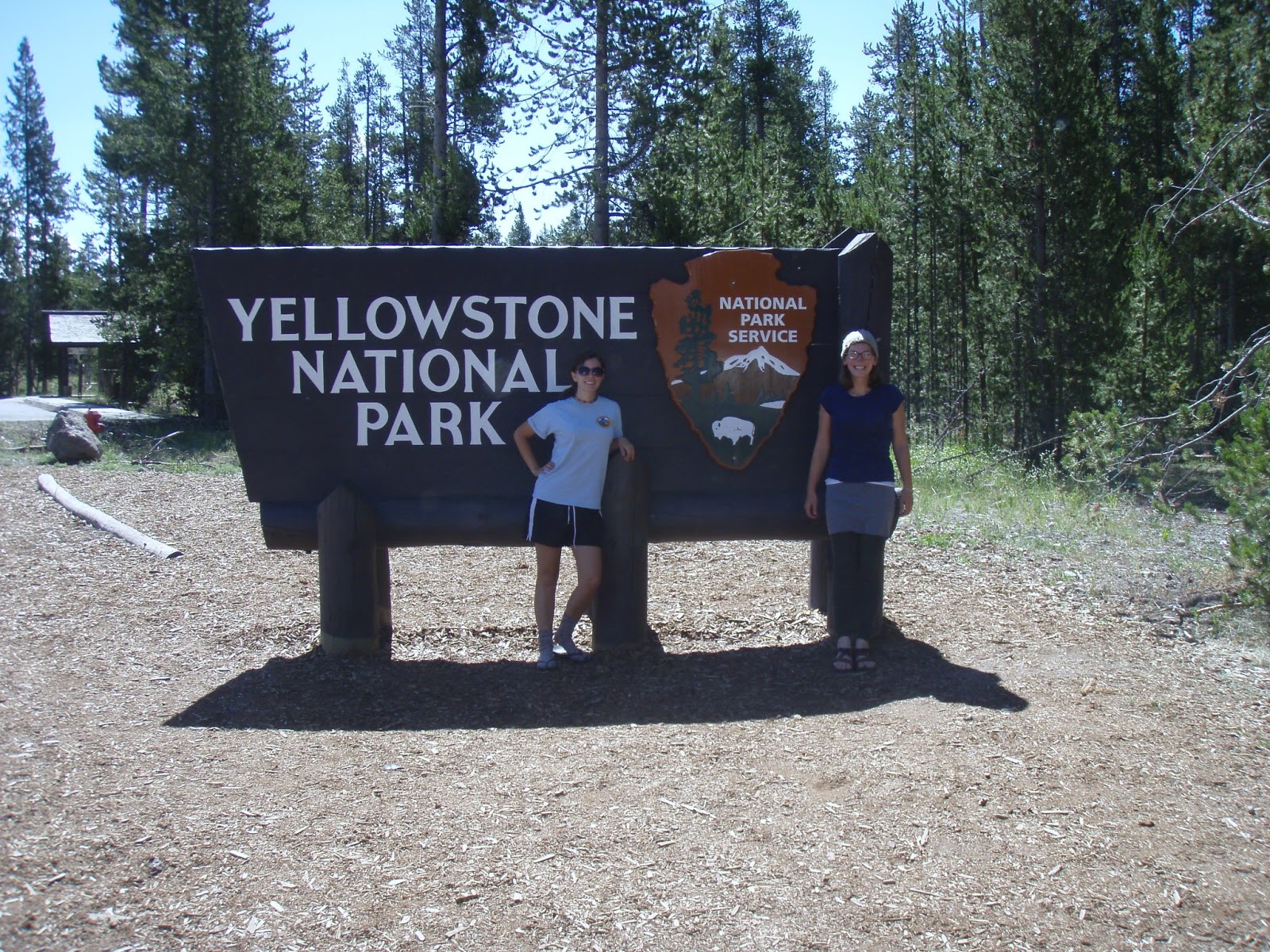
Yellowstone, NP.  July 2012.

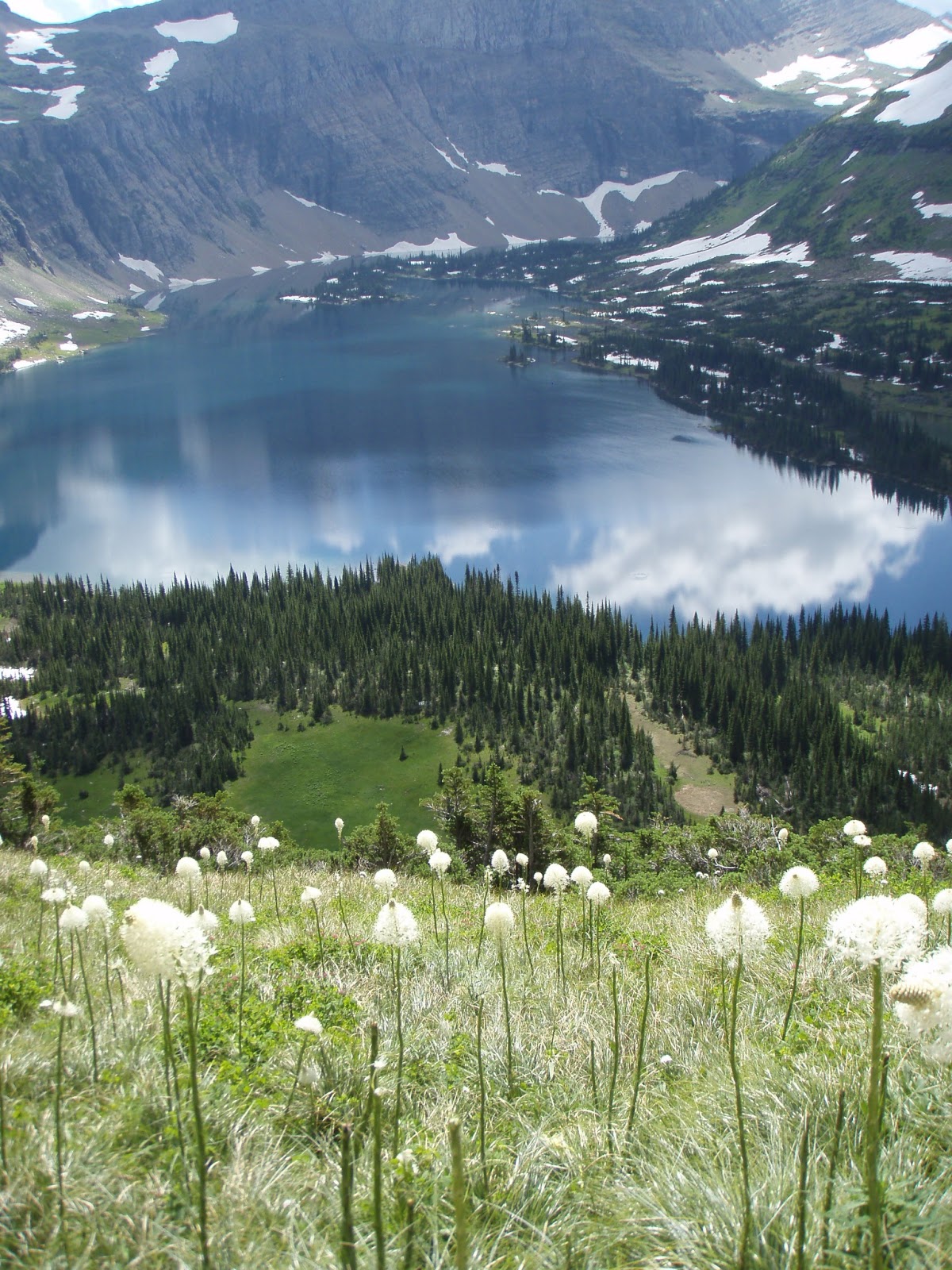
Glacier NP, July 2012.  Hidden Lake with Bear’s Tail in the foreground.  
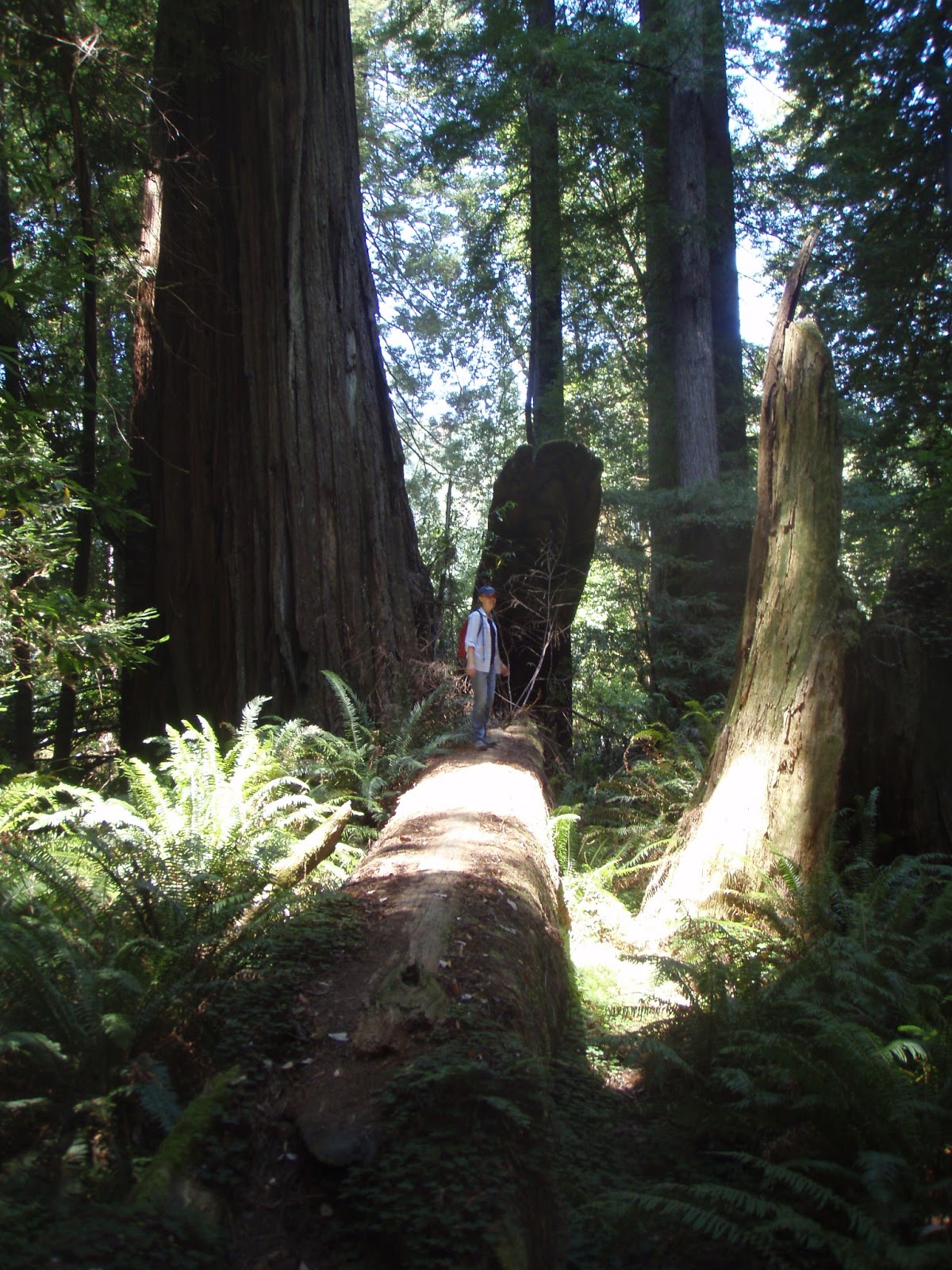
Redwoods NP, Aug 2012.  The Chelsea is for scale.
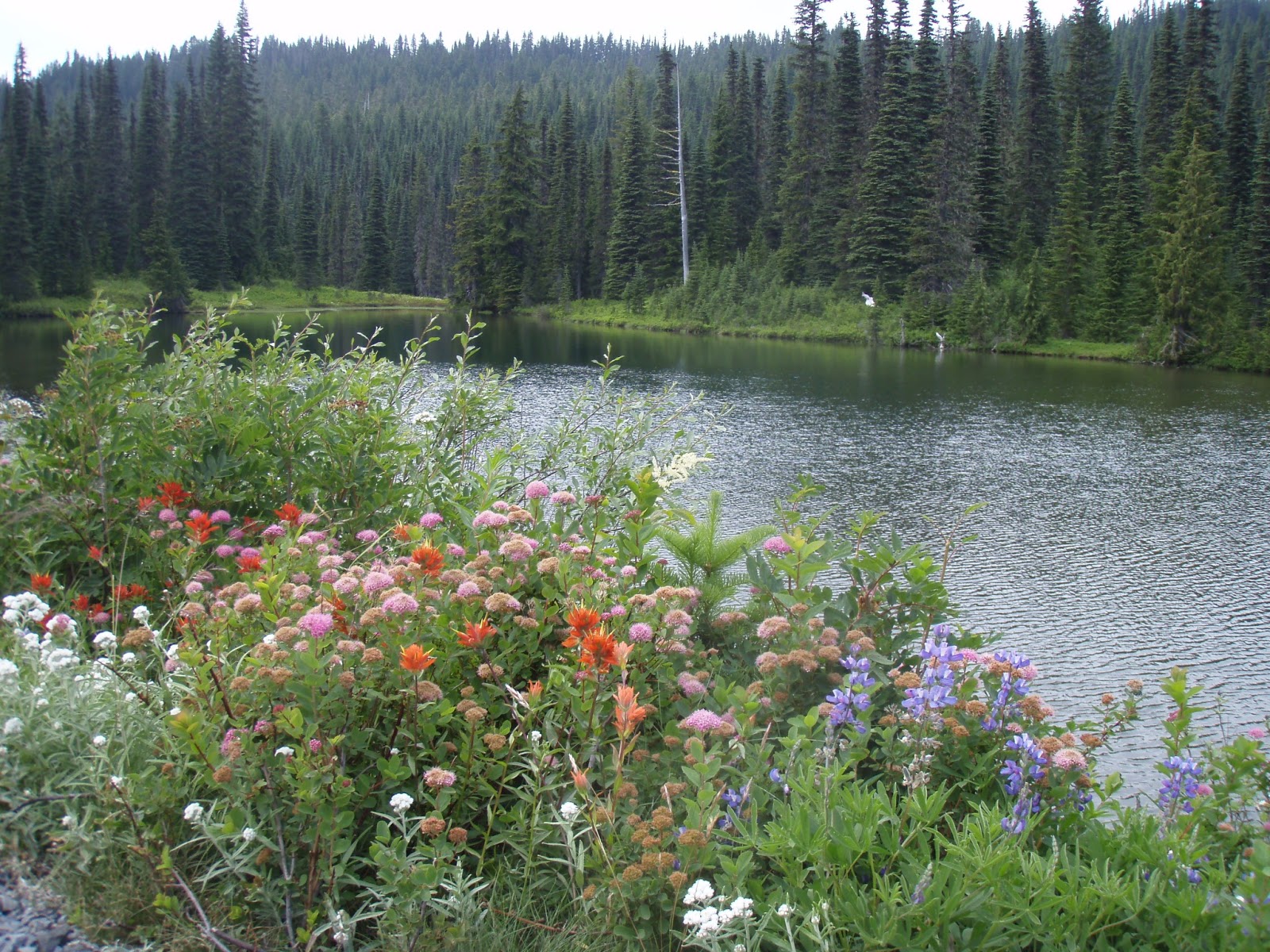
Mt. Ranier NP, Aug 2012

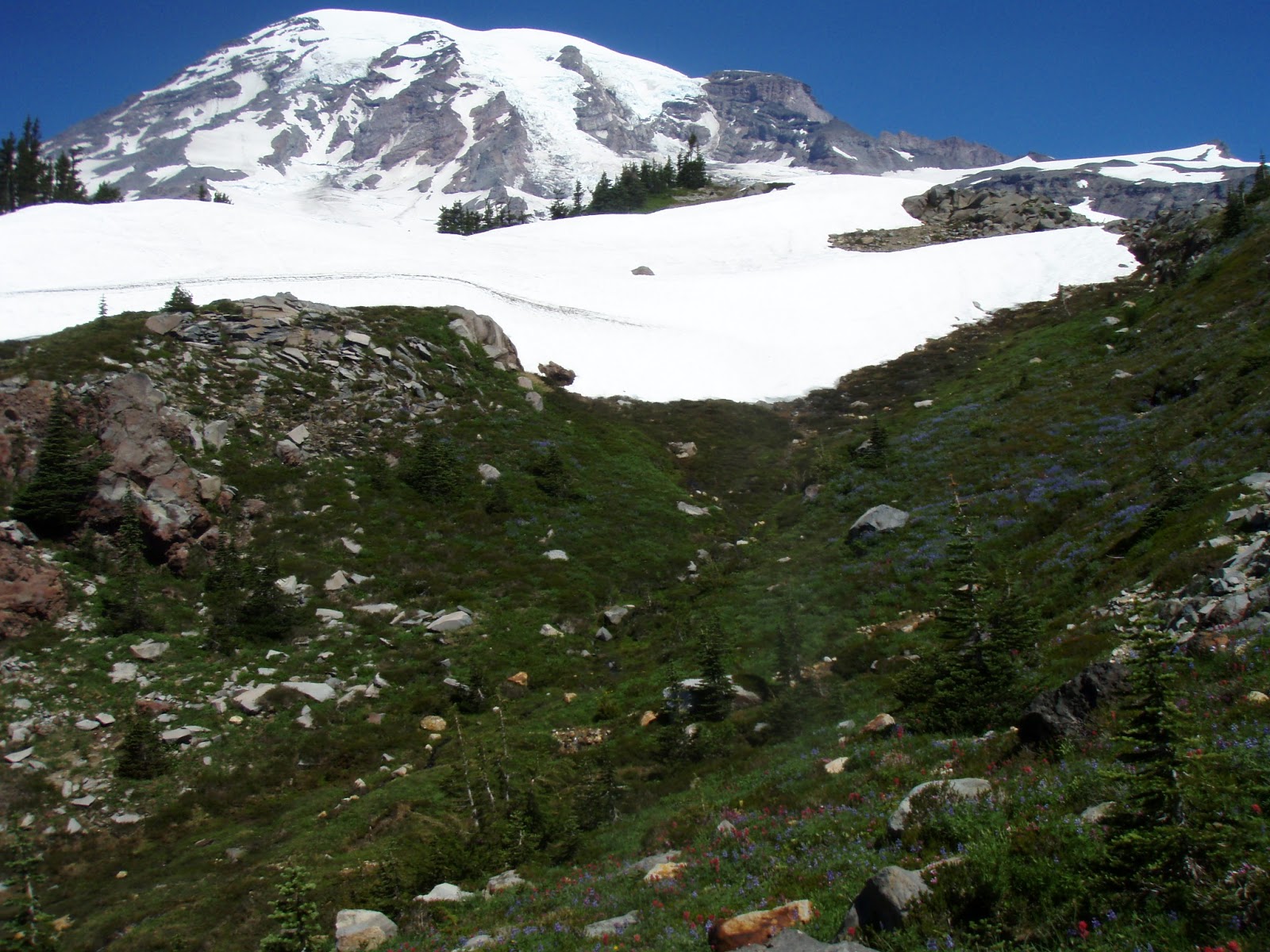
Mt. Ranier NP, Aug 2012.  The best wildflowers.

EcoNews Round-up: May 29, 2013

Hello, hello.  It’s time yet again for me to share some of the cool ecology (or conservation, or just cool science!) related news and media I’ve been taking in recently.  As it has been over a month from the last EcoNews segment I posted, this will cover some of my highlights from the past 8ish weeks.  Onward!

African Elephants.  Kenya, 2008.

I’ll start with something less obviously “science,” but still totally science related in my mind.  As you probably remember from my post about my morning routine, I bike to work/campus nearly every morning.  On this bike ride I generally listen to a bunch of different podcasts (only one headphone, and the one that isn’t near to traffic, plus I’m on a bike path 50% of the time…okay, it’s not super safe.  Guilty.).  One of my favorites is Stuff You Missed in History Class.  Obviously, this is a history focused podcast, but they often talk about science history or discuss other things which my brain instantly connects to science.  The latter was the case with their shows in early April about The Great Emu War and Australia’s Rabbit-proof Fence.  The Great Emu War (great may be a bit hyperbolic) is a classic case of human-wildlife conflict.  Humans plant wheat, emus eat wheat, humans want to shoot emus with machine guns.  I don’t mean to make light, the description of the occurrence made my little veggie heart tremble, but it instantly struck me how similar this situation was to other cases still happening today.  An example from my personal research experience is the impact of elephants on subsistence farmers in Kenya.  Elephants can trample an entire farm, which supports a family, and afterward there is a tendency to want to destroy the “problem elephant.”  From a western perspective, the idea of killing an individual member of an endangered species seems reactionary, but from the perspective of people who support their entire lives with small plots of land easily dispatched by the said individual, the choice is not so clear.  Understanding how to mitigate these conflicts is a key area of research in conservation biology.

The Australian Rabbit-proof Fence is interesting because it discusses the issues around managing invasive species.  I don’t recall if they use that specific term in the podcast, but Australian rabbits are a classic example in invasion ecology.  An interesting note, which they bring up in the podcast but do not expand upon, is the potential to introduce a virus to control rabbit populations.  This is another classic example in the scientific literature concerning biological control.  Biological control can be defined many ways, but the definition I currently like best can be found in Eilenberg et al. (2001):  “The use of living organisms to suppress the population of a specific pest organism, making it less abundant or less damaging than it would otherwise be.” And though this definition technically excludes viruses, I very much doubt the authors would dispute the fact that the use of viruses to control pest populations is, in fact, biological control.  The virus referenced in the podcast is one of a group of myxoma viruses, which have been used to control rabbit populations in Europe.  One one level, the argument for biological control is that it helps us avoid potentially more harmful control measures (like poisons or pesticides) and it may be naturally sustaining (such as a virus which has natural cycles within the population) making it more cost effective.  More cost effective, say, than continually up-keeping a fence to exclude rabbits.  However, biological control isn’t always perfect and introducing a biological control agent to control another introduced species can have a run-away effect.  These sorts of decisions are heavily researched  and the literature surrounding the study of biological control is very interesting.        


Another really cool podcast I heard earlier this month was from my favorite podcast of all:  Science Friday.  It was a discussion with Michael Pollan’s about his new book, Cooked:  A Natural History of Transformation.  In the interview, he discusses the ecosystem inside your guts.  I don’t know about you, but I love, love the idea of thinking of myself as an ecosystem where I am the manager and I have to care for the populations.  Oh wait, you didn’t realize I was that nerdy?  He also talks about fermented foods and how there is a process of ecological succession among the communities of bacteria growing in your sauerkraut or kombucha.  I found this section exceptionally fascinating and plan to ferment some stuff over the summer.  Science plus cooking, I love it.    

I tried to find a picture of Meridith, Colin, and I, but I’m
not sure I have one!  You’ll have to settle for Colin
and Meridith as biology babies (2007).
Last up in this segment, I’d like to plug two of my friends who recently got scientific papers published.  I’m at that age where some of my friends are having babies, and my friends are birthing research papers.  Some are doing both at the same time, overachievers!  Anyhow, my long time ecology friend Colin Kremer was first author on a cool study in the Journal of Theoretical Ecology entitled, Coexistence in a variable environment: Eco-evolutionary perspectives.  I love papers like this because they attempt to address questions that bridge fields in biology.  Specifically, how does ecology interact with evolution, and how will this impact the communities we observe.  Last, but not least, a recent paper by the all time ecology love of my life, Meridith Bartley was recently published in the journal Biomass and Bioenergy.  Her paper, Effects of salinity on growth and lipid accumulation of biofuel microalga Nannochloropsis salina and invading organisms, attempts to improve efficiency of production for the marine algae used in many algae biofuels operations.  Again, her study is unique because it takes an ecological perspective on the problem by incorporating competition and predation from invading organism.  Okay, end shameless plugging of my friends.  
 
Last Word:  I’m always finding that non-science focused things make me think of science.  That’s probably because I spend so much of my day thinking about science related issues, but it’s still fun to find connections.  No matter if you are biking to school, fixing your dinner, or making new friends, all roads can lead to science eventually.  I just love that.
 
What do you think?  Do you see connections between outside events and your field of study?  Where do you get your news?  Internet, print, podcast?  Do you have any cool science news to share?     

Eco-Inspiration 7: Making Time

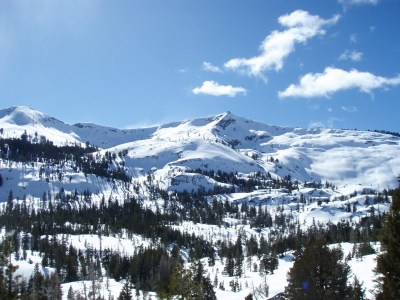
Echo Lake Snowshoeing Weekend, Feb. 2013

Don’t worry, this post isn’t just complaining about being busy, there is totally a point!  But, these past two weeks have been tough for me.  One of the hardest parts of graduate school (in my own opinion, and I think others would agree) is applying for grants.  Grant writing is an art.  You have to propose enough work that it sounds like you will get interesting results, but you can’t propose so much that the granting agency knows you will never be able to accomplish your stated objectives.  Then, after you figure out the question you want to ask and how you want to address it, you have to tell the reviewers a nice story. 

The usual. Eva’ day.

This is what science is all about really, and I don’t think many people realize it.  Just like in many other fields, at the end of the day, I’m a story teller.  Sure, I support the details of my story with data and I do my very best to remain objective, but unless I can convey why my work matters and how it fits into our current understanding of things, I’m basically wasting my time.  Because, you know, lab and field equipment don’t grown on trees and I need someone to pay for this stuff.  True story, I’m not independently wealthy.  But, I digress. As the summer (and the field season) roll in, I’ve been putting all my creative efforts into writing grants and developing project that could eventually end up as chapters of my dissertation.  The result of this, however, is me sitting at my desk for hours and hours each day reading, writing, drinking coffee, and repeating.  

Don’t get me wrong, I’m totally academically stimulated (and slowly becoming some sort of zombie creature), but this time last year I was finishing up my MS and getting ready to head out on an epic summer road trip!  In fact, my partner in crime from last summer, Meridith, is heading out again in just a few days.  This summer, she’s solo traveling around Europe for three months.  Can I just say how insanely jealous I am and how all of you should read her blog because she is beautiful, brilliant, and hilarious!  At the same time, my little sister (who just graduated with a BS in Biology!) is about to head off on a two month adventure to hike the Appalachian Trail.  Jealous again.  Jealous, jealous, jealous!  So, after stewing in this little pot of extreme stress (looming grant deadline) and mild (or less than mild…) travel envy for a few days, I realized what the heck my problem was.  


THE PEACE OF WILD THINGS
When despair for the world grows in me
and I wake in the night at the least sound
in fear of what my life and my children’s lives may be,
I go and lie down where the wood drake
rests in his beauty on the water, and the great heron feeds.
I come into the peace of wild things 
who do not tax their lives with forethought
of grief. I come into the presence of still water.
And I feel above me the day-blind stars
waiting with their light. For a time
I rest in the grace of the world, and am free.
— Wendell Berry
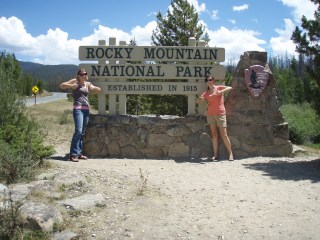

Rocky Mt. NP, Summer 2012

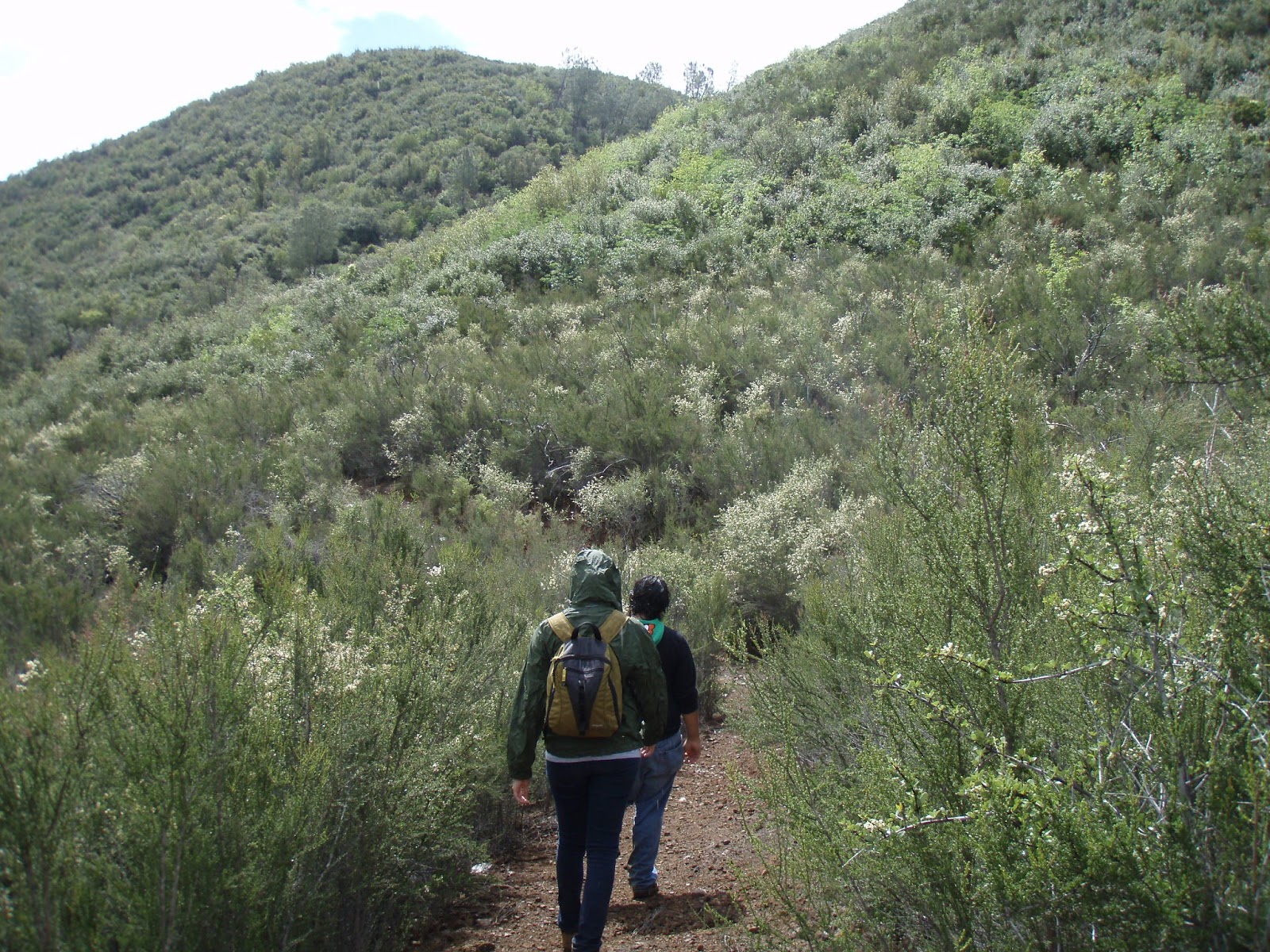
I know I said this previously, during my very first eco-inspiration piece, but I think that it could stand some repeating:  It is not enough to fight for the land; it is even more important to enjoy it (thanks Edward Abby!).  So, as part of my New Year’s Resolution to “be a better person,” I decided to commit to making time for nature each and every month.  And so far in 2013, I have totally succeeded.  In January, all of my college roommates were visiting me and we went on a pretty amazing hike near Auburn, CA.  In February I went to the snow.  Over Easter weekend in March, D Lo and I took his cousin on an overnight camping trip in the Cache Creek Wilderness.  And in April I went on an amazing hike with my Conservation Ecology class along Oat Hill Mine trails near Calistoga, CA (nerdy ecologists+volcanic pinnacles+endemic plants=great times!), and then the next day I ran my sprint-triathlon along the shores of Lake Berryessa.  

Auburn Recreation Area, Jan. 2013


Oat Hill Mine Trail, April 2013

So why have I been feeling so mopey lately?  Well, I think it’s because it’s been over a month from my last outdoor adventure.  I agree with Wendell Berry wholeheartedly.  I find peace among wild things, and when I’m stressed, I don’t make space for things that bring me peace.  Silly really.  

So, I just emailed a bunch of my lady-ecologist gal pals and tried to find a hiking buddy or two for this weekend.  If no one can come, I’ll go on my own.  Life gets busy, and I feel that after starting this program, it has become even more so.  I can only imagine what it will be like when I graduate an get a real job.  For this reason, I think it’s really important for all of us to actively choose to make time for things that we enjoy.  And making time to be in nature will only strengthen your resolve to do right by this planet we are so fortunate to live on.  

Cache Creek Wilderness, March 2013

Last Word:  Finding a work-life balance is very difficult, and probably a life long learning process.  I’m re-resolved to make time for the things that I care for.  Especially being outside.  OH, and less you think I’m a huge jealous jerk, let me plug Meridith’s blog yet again (http://www.alwaysascientist.com/).  She is an amazing writer, and if you go back to some previous posts you can read her take on some of our adventures last summer.  She might also be writing a guest post for this blog while overseas… stay tuned.  

What do you think?  What things do you make time for that bring you peace and fulfillment?  Do you schedule in your “nature” time?